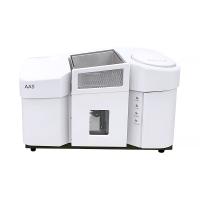
Copper content in pulp, paper and board can be determined by atomic absorption spectrometry (AAS) or inductively coupled plasma optical emission spectrometry (ICP-OES).
The specific operation steps are as follows:
Sample preparation: Weigh a certain amount of the sample to be tested (pulp, paper or cardboard), add a certain volume of dilute hydrochloric acid (or nitric acid) to dissolve, and then add an appropriate amount of deionized water to make the concentration of copper in the final dilution within the scope of the analysis.
Determination by atomic absorption spectrometry: compare the prepared sample solution with the standard solution through a specific working curve, and calculate the copper content in the sample by the peak height or peak area of the absorption spectrum.
Determination by inductively coupled plasma emission spectrometry: The prepared sample solution is measured by an inductively coupled plasma emission spectrometer, by ionizing and exciting the metal ions in the sample, measuring its specific emission spectrum, and calculating the copper in the sample according to the standard curve content.
NBCHAO reminds you: the content of copper in different types of paper and cardboard will be different, and different measurement methods and instruments have different requirements for sample preparation and analysis. Therefore, it is necessary to select appropriate methods and instruments during specific operations, and Follow standard operating procedures.