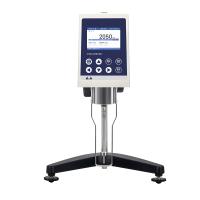
Different cosmetics need to have different consistency, for example, liquid foundation needs to be thicker than lotion. Measuring the viscosity of a cosmetic product can help determine if it is as thick as desired, ensuring a cosmetic product with a great feel. The viscosity of a cosmetic product affects its application properties, such as ease of application and spreadability. Measuring the viscosity of cosmetics can help manufacturers determine their performance in use, thereby improving product performance and increasing product market competitiveness.
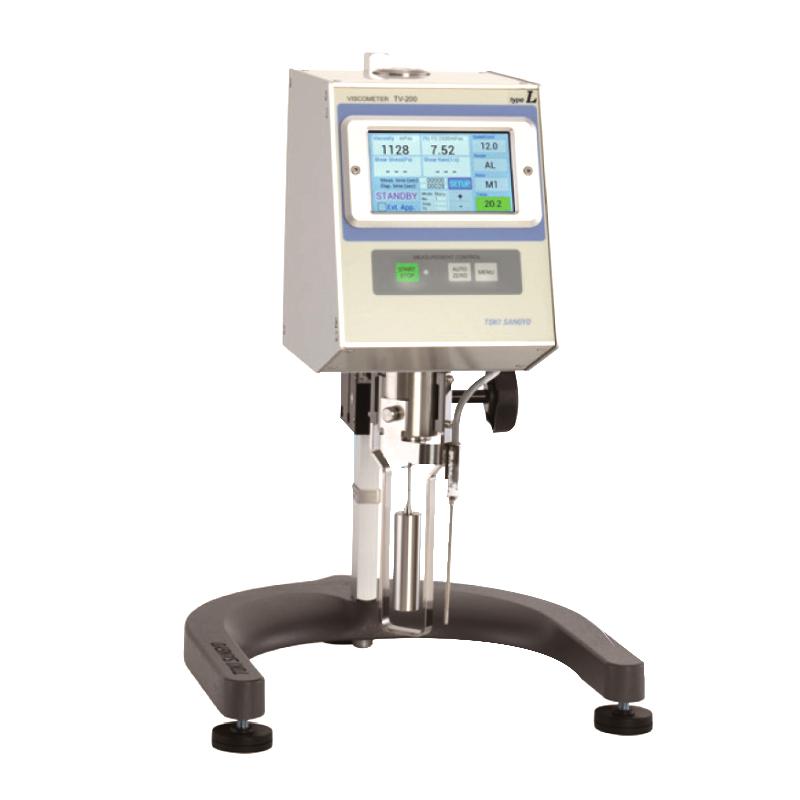
A Rotational Viscometer is a common viscosity testing device that can be used to measure the viscosity of a liquid under force. In the cosmetics industry, Rotational Viscometers are commonly used to measure the viscosity of cosmetic products to ensure they comply with quality standards and regulations.
The following are general steps for cosmetic viscosity testing using a Rotational Viscometer:
Prepare samples: Prepare the cosmetic samples to be tested, and perform necessary preparation and mixing as required.
Adjust the Rotational Viscometer: According to the type and requirements of the Rotational Viscometer used, make relevant adjustments, including selecting the rotational speed, selecting a suitable measuring head, etc.
Measure the sample: inject the prepared sample into the measuring chamber of the Rotational Viscometer, and then operate the Rotational Viscometer according to the equipment instructions to start the Rotational Viscometer for measurement.
Record the results: During the measurement, the Rotational Viscometer will display the measurement results, including the viscosity value and other relevant parameters. After the measurement is completed, these results are recorded and analyzed and compared as necessary.
When using a Rotational Viscometer to test the viscosity of cosmetics, NBCHAO reminds that strict safety operating procedures should be followed to ensure the safety of operators and samples, and operations should be performed in accordance with relevant quality standards and regulations.