When carrying out full painting operation, for the old coating film that does not need to be removed, surface grinding is required to improve the adhesion with the new coating. There are two types of sanding: dry sanding and wet sanding.
1. Dry grinding
Dry grinding is characterized by fast grinding speed, and commonly used grinding machines are double-action grinding machines and reciprocating grinding machines. In comparison, the double-action operation speed is slightly faster. The choice of sandpaper grain size should be selected according to the coating film, see Table 4-2-11.
In order to improve the adhesion, the sanding has basically nothing to do with the grain size of the sand paper. Generally, the sand paper with fine grain size is used to prevent the sand paper grinding marks from affecting the surface quality of the coating film.

2. Wet sanding
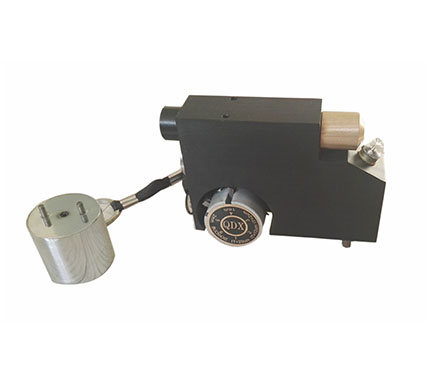
To improve the surface adhesion of the old paint film (relevant instrument: adhesion Tester), wet sanding can also be used. The sander used for wet sanding is the same as for dry sanding, and water-resistant sandpaper should be used for sanding. When the old coating film is acrylic lacquer, use 400~600 sandpaper. When the old coating film is baking varnish and acrylic polyurethane coating film, use 320~400 sandpaper. Whether sanding dry or wet, attention should be paid to the direction of sanding. With the grinding direction shown in Figure 4-2-48, *, the grinding marks of the sandpaper are not easy to appear on the surface of the coating film.