Significance of Asphalt Viscosity Measurement
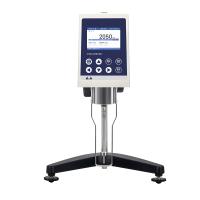
It is very important to measure the viscosity of asphalt, because asphalt is a commonly used road material, and its viscosity is directly related to the fluidity and coating performance of asphalt during construction, affecting the quality and life of the road surface. Specifically, measuring the viscosity of asphalt can help people understand the fluidity of asphalt at high temperature and the deformability at low temperature, so that the appropriate asphalt type and proportion can be selected when designing and constructing roads to ensure the durability and stability of the road . At the same time, during the road maintenance process, by measuring the viscosity of the asphalt, the aging degree of the asphalt can be monitored, maintenance and repair can be carried out in time, and the service life of the road can be extended. The viscosity of asphalt is usually measured by Rotational Viscometer or titration viscometer.
Determining the viscosity characteristics of bitumen in order to optimize the road construction process and determine process parameters;
Monitor the quality of asphalt and detect impurities and pollutants in asphalt;
Helps determine the performance and durability of asphalt on roads.
Measurement methods
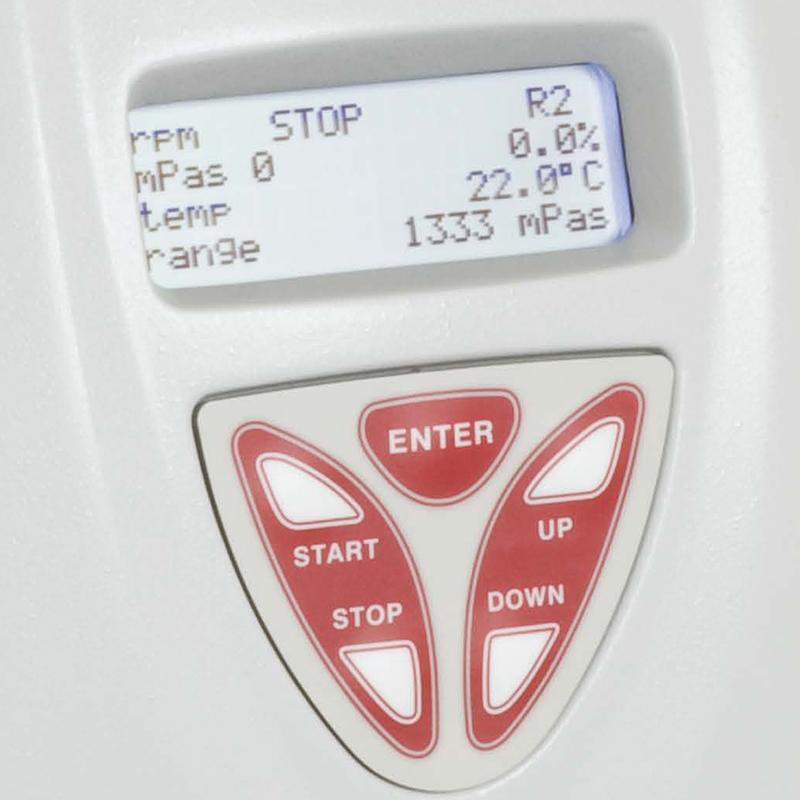
Rotational viscometers are also widely used in asphalt viscosity testing, which can determine the flow properties of asphalt by measuring the viscosity of asphalt at different temperatures. The following is the application of Rotational Viscometer in the detection of asphalt viscosity and its detection steps:
Sample preparation: Take out the asphalt sample, heat it to a suitable temperature (usually 135°C) as needed, and put the sample into the sample cell of the Rotational Viscometer.
Setting parameters: select the appropriate speed range and time, and set the parameters of the Rotational Viscometer. Typically, the rotational speed is 60 rpm.
Measurement: Turn on the Rotational Viscometer, let the spindle spin and measure the viscosity. Typically, the measurement time is 60 seconds.
Record data: record the viscosity value of each measurement point, and calculate the average value as needed.
Analysis results: According to the measurement results, calculate the viscosity of asphalt at different temperatures, evaluate the flow performance of asphalt and other related parameters, and determine the next step of operation.
North and South Chao reminds you: Rotational viscometers usually need to perform multiple measurements in asphalt viscosity testing to obtain more accurate results. In addition, the Rotational Viscometer and sample cell need to be cleaned carefully before measurement to avoid contamination from affecting the measurement results.