For general partial painting repairs and full-painting operations for paint film renovation, the treatment before painting can be carried out according to the contents of the first three sections. However, due to certain reasons, such as bare metal surface, oil stains or rust, and the full painting of car modification that was once popular in my country, the treatment before painting has its own characteristics. The treatment before painting includes two parts: surface cleaning (oil removal, rust removal, dust removal, etc.) and phosphating treatment.
Degreasing is generally cleaned with hot lye and scrubbed with organic solvents. The yellow rust on the surface of the car body should be scrubbed with a cleaning solution made of phosphoric acid, but not with a cleaning solution made of sulfuric acid or hydrochloric acid, because the residues of sulfuric acid and hydrochloric acid are not easy to clean, which will intensify the corrosion of the car body.
In order to ensure the cleaning quality of the body surface in the assembly line production, the body-in-white is generally pre-cleaned before phosphating treatment, that is, the outer surface of the body is wiped with a rag moistened with white alcohol to remove seriously polluted oil stains and can be used for phosphating. The refinement of crystallization creates conditions.
The phosphating treatment methods include spraying, immersion and combination of spraying and immersion. The spraying method is difficult to completely treat the inner cavity and interlayer of the car body.
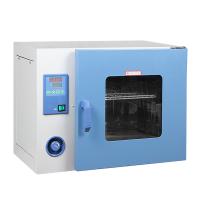
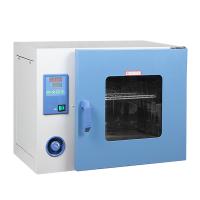
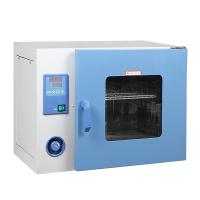
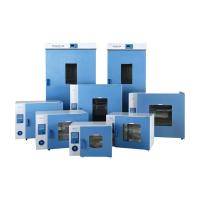
Phosphate-treated car bodies are generally dried or blown dry before primer coating, and may not be dried in the case of electrophoretic coating that is electrified after entering the tank. (Related instrument: oven)
In the case of no phosphating treatment conditions and for aluminum alloy parts, phosphating primer can be used instead of phosphating treatment.