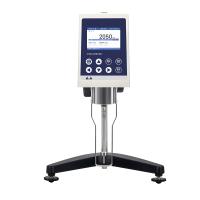
The viscosity of molasses can reflect its sugar concentration and the size and shape of sugar molecules, so it can be used as an important indicator of the quality of molasses products. By measuring the viscosity of molasses, the sugar content and quality grade of the product can be determined, thereby ensuring the quality and taste of the product. It can also affect its fluidity and mixing during production and processing, so it is also very important for controlling the processing technology.
The Rotational Viscometer is a viscosity testing device widely used in various fields, including the detection of molasses. Viscosity is an important indicator in molasses production and processing as it reflects parameters such as molasses quality and concentration.
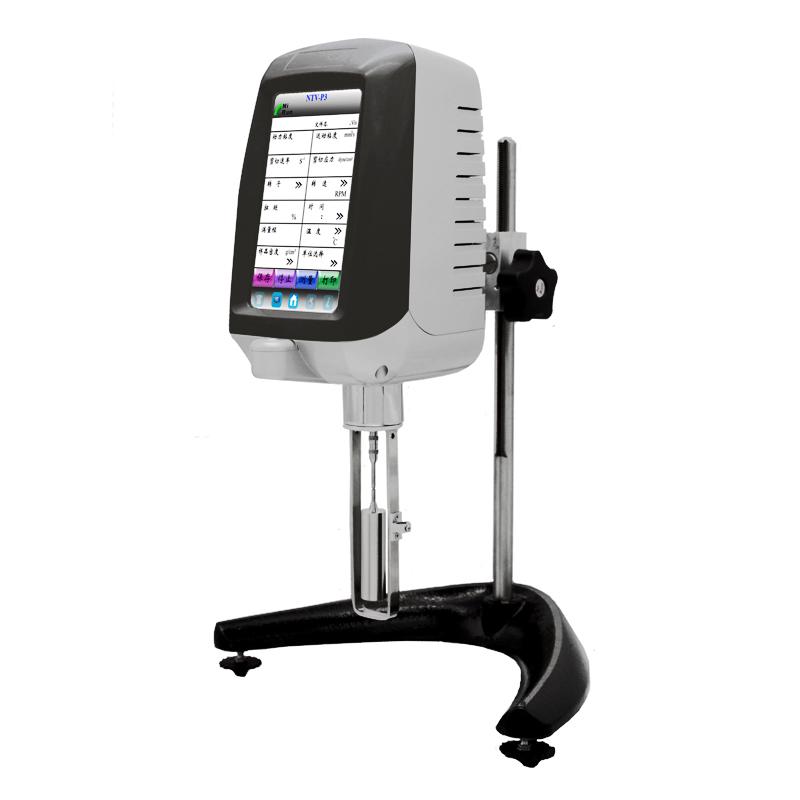
The following are general steps for molasses testing using a Rotational Viscometer:
Prepare samples: Prepare the molasses samples to be tested, and perform necessary dilution or heat treatment as required.
Adjust the Rotational Viscometer: According to the type and requirements of the Rotational Viscometer used, make relevant adjustments, including selecting the rotational speed, selecting a suitable measuring head, etc.
Measure the sample: inject the prepared sample into the measuring chamber of the Rotational Viscometer, and then operate the Rotational Viscometer according to the equipment manual to start the Rotational Viscometer for measurement.
Record the results: During the measurement, the Rotational Viscometer will display the measurement results, including the viscosity value and other relevant parameters. After the measurement is completed, these results are recorded and analyzed and compared as necessary.
When using a Rotational Viscometer for molasses testing, NBCHAO reminds you to follow strict operating procedures to ensure the safety of operators and samples, and to operate in accordance with relevant quality standards and regulations. At the same time, it is also necessary to control the temperature of the sample and other factors, so as not to cause too much interference to the accuracy and reliability of the test results. In addition, it is important to pay attention to the preservation and handling of samples to avoid deterioration or contamination of samples and affect test results.