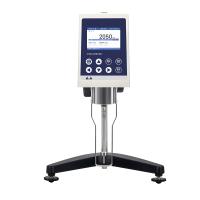
Rotational viscometers can be used to measure the dynamic viscosity of fruit juices to evaluate properties such as mouthfeel and texture. By measuring the dynamic viscosity, it can help to adjust the formula and production process of fruit juice, so as to produce fruit juice products that meet the requirements. Measuring the viscosity of fruit juice is an important step in measuring quality, controlling the production process, testing consistency and predicting mouthfeel. Specifically:
Measure the quality of fruit juice: The viscosity of fruit juice is related to factors such as its concentration, solid matter and cellulose. By measuring the viscosity of the fruit juice, you can know the quality of the fruit juice and determine whether it meets the production standards and the taste needs of consumers.
Control the production process: Juices with different concentrations require different production process parameters, such as stirring speed and temperature. By measuring viscosity, better production process parameters can be determined to improve production efficiency and reduce production costs.
Checking Thickness: The viscosity of a juice can also reflect its thickness, or its fluid nature. The higher the consistency, the harder the juice will flow and the thicker the taste. By measuring viscosity, you can ensure that the consistency of the juice meets the product design requirements.
Predict the taste: Juices with different tastes correspond to different viscosities. By measuring the viscosity, the taste of the juice can be predicted in order to produce products that meet the needs of consumers.
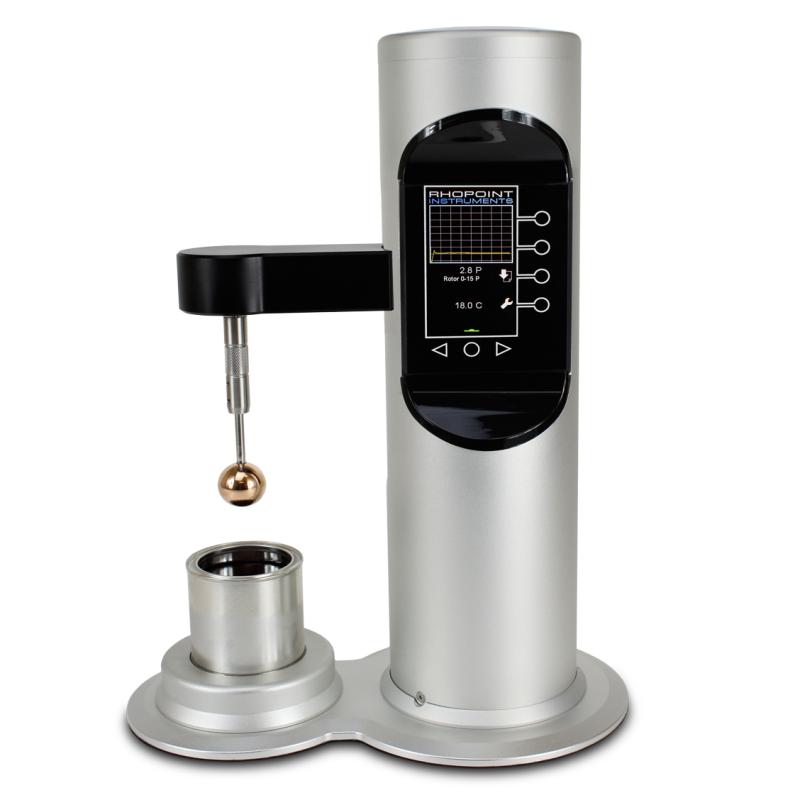
Rotational viscometers can be used to measure the dynamic viscosity of fruit juices in order to evaluate their properties such as mouthfeel and texture.
The following is the application of Rotational Viscometer in the detection of fruit juice viscosity and its detection steps:
Prepare the test sample: Place a certain amount of juice sample into the Rotational Viscometer test cup. NBCHAO reminds you: when selecting the sample volume, try to ensure that it is enough to cover the rotor of the Rotational Viscometer.
Adjust the Rotational Viscometer: adjust it to the correct test parameters according to the instructions of the Rotational Viscometer. Usually includes rotation speed, temperature and test time, etc. When selecting the test temperature, care should be taken to select a temperature close to the operating temperature.
Measuring dynamic viscosity: start the Rotational Viscometer, let it automatically rotate for a certain period of time and then stop, and record the test results. North and South Chao reminds you: When measuring dynamic viscosity, you can use multiple rotation speeds for testing in order to obtain more comprehensive data.
Analysis results: According to the test results, analyze the dynamic viscosity and mouthfeel characteristics of the juice, and compare with the standard requirements to judge whether the juice meets the quality requirements. North and South Chao reminds you: When analyzing the results, the influence of factors such as the composition and formula of the juice on the dynamic viscosity should also be considered.
Clean the Rotational Viscometer: After the test, clean the Rotational Viscometer in time to prevent the next test result from being polluted.
NBCHAO reminds you: when using a Rotational Viscometer to test fruit juice, choose the appropriate rotational speed and test temperature, and make corrections and calibrations according to the actual situation. At the same time, care should be taken to avoid the influence of air bubbles and particulate matter in the sample on the test results. In addition, since the fruit juice may contain microorganisms and harmful substances, corresponding safety measures need to be taken during the test to ensure the health and safety of the Testers.