Meaning of Viscosity Measurement
Petroleum viscosity is one of the important indicators reflecting the fluidity of petroleum. Petroleum with high viscosity will encounter difficulties in the process of transportation, storage and processing, which will affect production efficiency and product quality. The viscosity of petroleum also has an important influence on the processing technology of petroleum, and different viscosities require different processing technologies. Petroleum with too high or too low viscosity may affect the safety of the product. For example, if the viscosity is too high, it may cause problems such as pipeline blockage and equipment damage. If the viscosity is too low, it may cause leakage and safety accidents.
Therefore, measuring the viscosity of oil plays an important role in evaluating oil quality, designing and optimizing production processes, and ensuring product safety.
Application example
Determine the viscosity of petroleum products to meet industrial and quality control requirements.
Evaluate the flow properties of petroleum products to ensure they can flow at the required temperature.
Study the rheology of petroleum products to better understand their flow behavior and stability.

Measurement methods
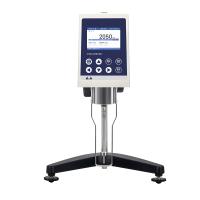
Rotational viscometer is a commonly used petroleum viscosity testing equipment, and its application is mainly to measure the kinematic viscosity of petroleum products at different temperatures. The following is the application of Rotational Viscometer in petroleum viscosity detection and its detection steps:
Detection steps:
Depending on the type of sample and the required temperature range, select the appropriate Rotational Viscometer.
Prepare the sample and inject it into the Rotational Viscometer following the equipment's operating instructions.
Heat the Rotational Viscometer to the desired temperature and wait for it to stabilize.
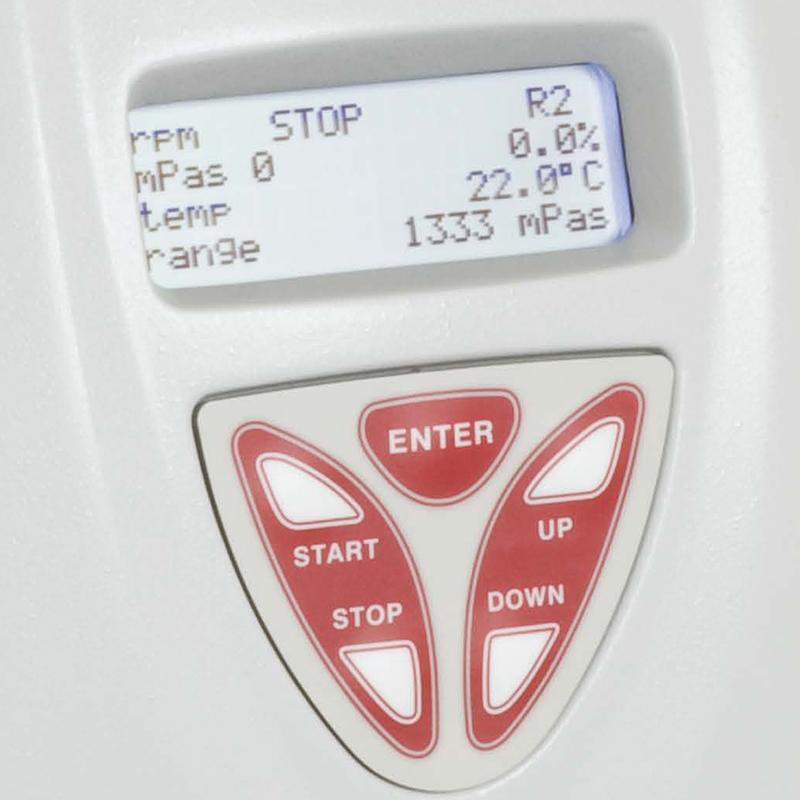
Start the Rotational Viscometer, observe the movement of the sample in the Rotational Viscometer, and record the viscosity data at the same time.
Repeat the above steps over the desired temperature range to obtain more data and verify viscosity stability.
After the test is complete, turn off the Rotational Viscometer and clean the device and sample.
Beichao reminds you: when testing oil viscosity, you need to pay attention to the following points:
According to the characteristics of the sample and testing requirements, select the appropriate Rotational Viscometer and calibrate it before testing.
Parameters such as temperature, pressure and stirring speed of the sample need to be strictly controlled to ensure the accuracy and reliability of the data.
During the detection process, it is necessary to pay attention to the safety of equipment and samples to prevent accidents.