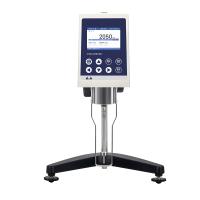
Meaning of measurement
Paint viscosity refers to the fluidity and resistance of a paint coating under certain conditions. For the paint industry, the measurement of paint viscosity has the following significance:
Coating quality control: The quality of the paint coating is related to the viscosity. If the viscosity is too high or too low, it will affect the uniformity, adhesion and durability of the paint. By measuring the viscosity of the paint, the formula and process of the paint can be adjusted to ensure the stable quality of the coating.
Coating construction control: The paint coating needs to maintain a certain fluidity during the construction process. If the viscosity is too high or too low, it will affect the uniformity and construction efficiency of the coating. By measuring the viscosity of the paint, the construction conditions can be adjusted to ensure the uniform construction and smoothness of the coating.
Equipment selection: Paints with different viscosities need to use different types of Spray Guns, brushes and other equipment. By measuring the viscosity of the paint, the appropriate equipment can be selected to improve construction efficiency and coating quality.
Product quality assessment: Different types of paints have different viscosity characteristics. Measuring the viscosity of paint can evaluate its quality and scope of application, and provide a scientific basis for product development and marketing.
The measurement of paint viscosity is of great significance to the production and research of the paint industry. Only by mastering the viscosity characteristics of the paint, can we formulate a scientific production process and construction plan, and improve the efficiency and quality of the paint industry.
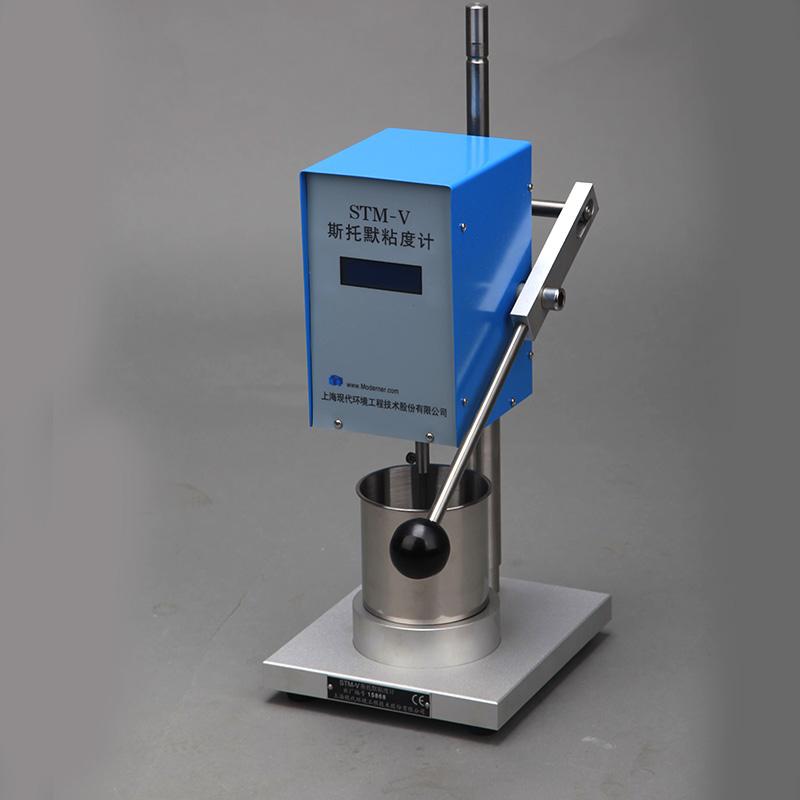
Measurement steps
Rotational viscometers are widely used in paint viscosity testing. The following are the steps for testing the viscosity of paint with a Rotational Viscometer:
Prepare the sample: Pour the paint sample to be tested into the measuring cup of the Rotational Viscometer.
Adjust measurement conditions: According to the nature of the paint and measurement requirements, adjust the measurement conditions of the Rotational Viscometer, such as rotation speed, temperature, etc.
Start Measurement: Start the Rotational Viscometer, let it spin and measure the viscosity of the sample. During the measurement, record the measurement result and the measurement time.
Analytical data: convert the measured data into the corresponding viscosity value, usually the unit used is Pa·s or cP.
Judgment result: Compare the measured viscosity value with the specification requirements of the paint to judge whether the sample meets the requirements. If it does not meet the requirements, it needs to be adjusted accordingly.
North and South Chao reminds you: Different types of paints have different viscosity characteristics and measurement requirements, so you need to read the operation manual carefully before measuring, be familiar with the use of the instrument, and make corresponding adjustments according to specific conditions.