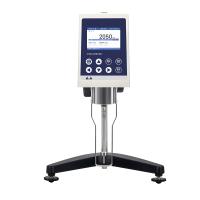
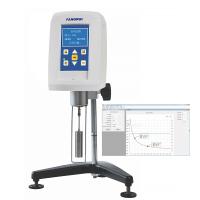
Meaning of measurement
The viscosity of polymer solutions is one of the important process parameters in polymer production and industrial applications. Here are the reasons for measuring the viscosity of polymer solutions:
Controlling the Polymerization Process: Viscosity is a direct reflection of the intermolecular interactions in a polymer solution. By measuring the viscosity of the solution, the change of the molecular interaction during the polymerization process can be grasped in time, and the reaction conditions can be adjusted in time to control the polymerization process to meet the expected goals.
Determining Product Properties: The properties and performance of a polymer are governed by its molecular weight and molecular weight distribution. Measuring the viscosity of a polymer solution allows the calculation of the average molecular weight and molecular weight distribution of the polymer. This is very important to determine the properties and performance of the polymer, as well as the suitable field of application.
Optimizing the production process: In polymer production, changes in viscosity may affect the physical and chemical properties of the product, thereby affecting product quality and production efficiency. By regularly measuring the viscosity of the polymer solution, changes in the production process can be grasped, and the production process can be adjusted in time to improve production efficiency and product quality.
Measuring the viscosity of polymer solutions is of great significance for process control and product quality assurance in polymer production and industrial applications. By measuring the viscosity, we can grasp the changes in the polymerization process in time, optimize the production process, and ensure product quality and production efficiency.
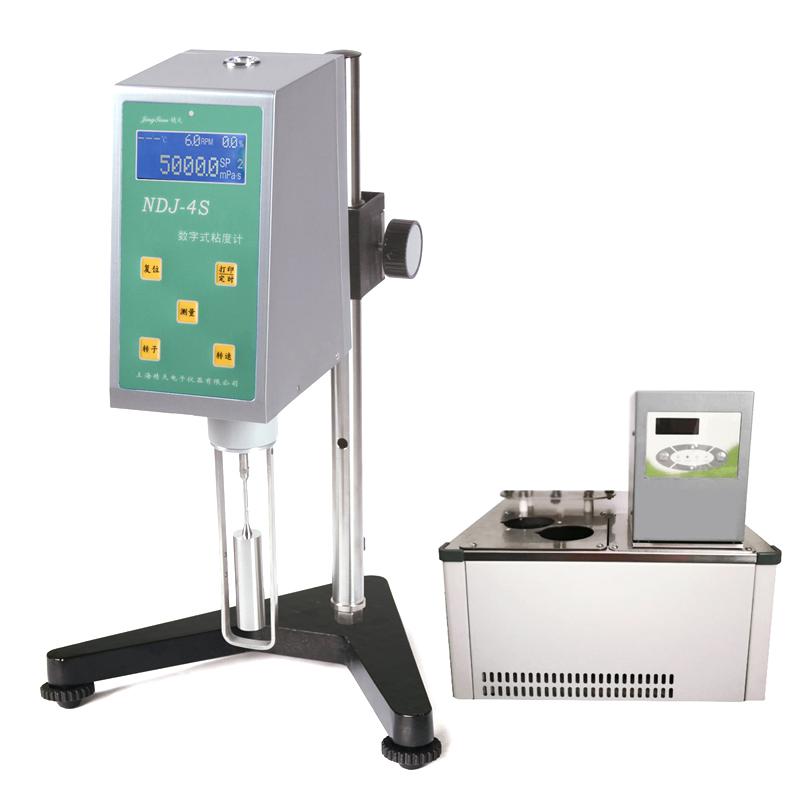
Measurement steps
Rotational viscometer is also one of the commonly used instruments in polymer solution viscosity detection. Its principle is to determine the viscosity of the solution by measuring the resistance of the polymer solution to flow on the surface of a rotating cylinder.
The following are the steps for measuring the viscosity of polymer solutions using a Rotational Viscometer:
Sample preparation: Stir the polymer solution sample to be tested evenly, and pour it into the sample cell of the Rotational Viscometer.
Adjust the temperature: Adjust the temperature of the Rotational Viscometer according to the specifications of the solution.
Adjust the rotation speed: according to the viscosity range of the solution, select the appropriate rotation speed.
Start the test: Start the Rotational Viscometer and wait a few minutes until a stable reading appears.
Record Results: Record the reading on the Rotational Viscometer and compare to the solution specification.
NBCHAO reminds you: Before performing the Rotational Viscometer test, the instrument needs to be calibrated to ensure the accuracy of the test results. In addition, when using a Rotational Viscometer for testing, it is necessary to strictly follow the instructions of the instrument to avoid damage to the instrument or inaccurate test results. In addition, for high-concentration polymer solution samples, it is recommended to dilute it to an appropriate concentration before testing, so that the test results will be more accurate.