Photosensitive resin is an important material widely used in printing, electronics, aerospace and other industries. Measuring the viscosity of photosensitive resins can provide multiple benefits to related industries, mainly including the following applications :
Evaluate the viscosity of photosensitive resins to determine their coating thickness and processing properties.
Evaluate the rheological properties of photosensitive resins, such as shear stress, shear rate, and rheological index.
Evaluate the stability and dispersion of photosensitive resins to explore their properties and performance.
Rotational viscometers are also widely used in the detection of the viscosity of photosensitive resins. Photosensitive resin is a material used to manufacture photoresists, and viscosity is an important parameter to evaluate its characteristics and performance. The following is the application of Rotational Viscometer in the detection of photosensitive resin viscosity and its detection steps:
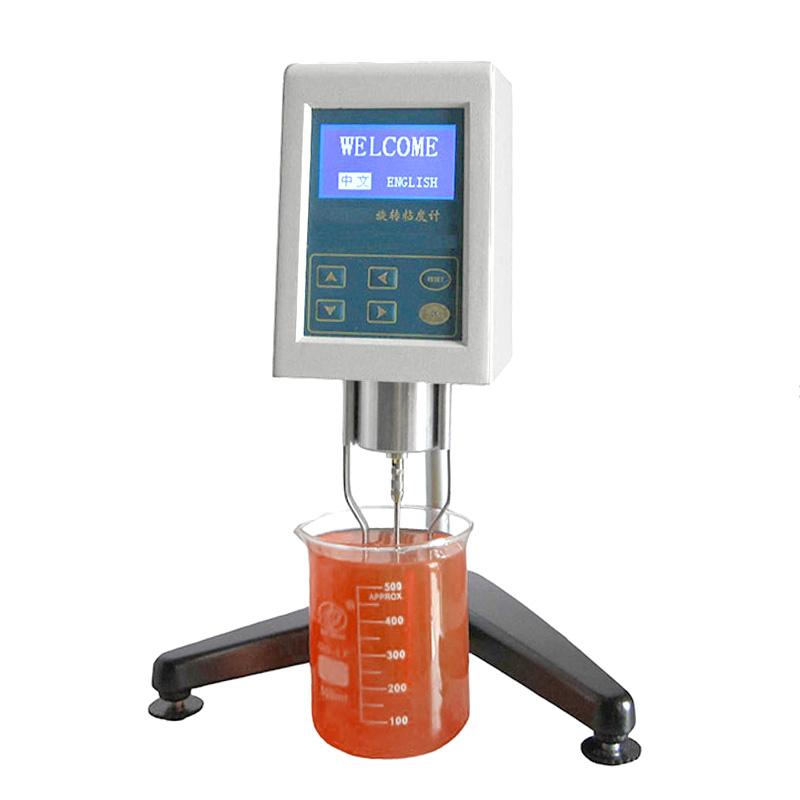
Detection steps:
According to the type of sample and the required temperature range, select the appropriate Rotational Viscometer and calibrate it.
Prepare the photoresist sample and inject it into the Rotational Viscometer.
According to the characteristics of the sample and testing requirements, set the testing parameters of the Rotational Viscometer, such as temperature, rotational speed and time, etc.
Start the Rotational Viscometer and observe the movement of the sample within the Rotational Viscometer while recording the viscosity data.
Repeat the above steps over the desired temperature range to obtain more data and verify viscosity stability.
Calculate the viscosity value of the photosensitive resin according to the obtained data, and analyze and compare the results.
After the test is complete, turn off the Rotational Viscometer and clean the device and sample.
When testing the viscosity of photosensitive resin, Beichao reminds you to pay attention to the following points:
The preparation and processing of samples should be operated strictly in accordance with the regulations to avoid the influence on the test results.
During the detection process, parameters such as temperature and rotational speed need to be well controlled to ensure the accuracy and reliability of the data.
According to different materials and testing purposes, it is necessary to select a suitable Rotational Viscometer and perform appropriate test parameter settings.
When testing the viscosity of photosensitive resin, it is also necessary to pay attention to the safety of equipment and samples to prevent accidents.