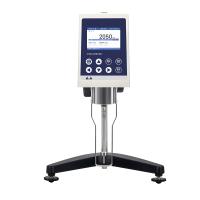
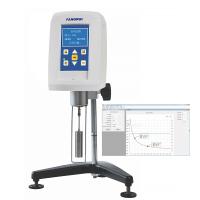
measured value
The measurement of adhesive viscosity is an important quality control method that can help manufacturers determine the physical characteristics of adhesives such as flow performance, processing characteristics and application characteristics.
Determining processability: By measuring the viscosity of the adhesive, it is possible to determine the flow properties and processability of the adhesive during processing, thus ensuring that the adhesive will provide the required processability.
Predict application performance: Viscosity is a key parameter to determine the application performance of adhesives, and it can be used to predict stability, flow performance and adhesion characteristics during application.
Quality control: The viscosity of the adhesive can be used as an indicator to monitor the stability and consistency of the production process to ensure that the adhesive quality is consistent from batch to batch.
Material comparison: Different batches of adhesives may have different viscosities, and comparing their viscosities can determine which adhesives are better suited for a particular application.
To sum up, the measurement of adhesive viscosity is very important to ensure processing quality, application process optimization and material selection.
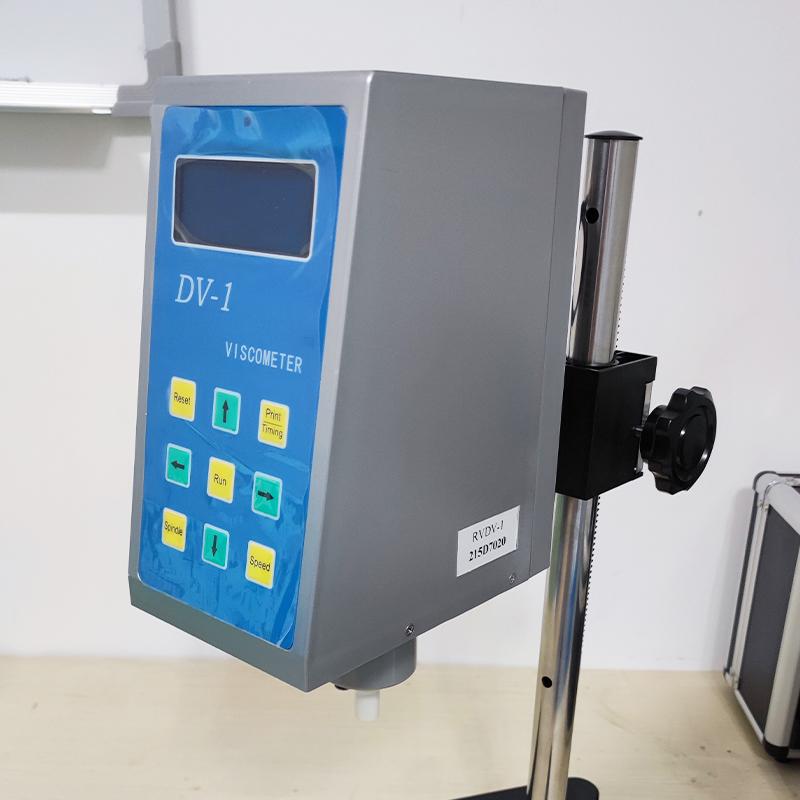
Measurement steps
The following are the steps for adhesive viscosity testing using a Rotational Viscometer:
Prepare the sample: Pour the adhesive or solvent sample to be tested into the measuring cup of the Rotational Viscometer.
Adjust measurement conditions: According to the properties and measurement requirements of the adhesive or solvent, adjust the measurement conditions of the Rotational Viscometer, such as rotation speed, temperature, etc.
Start Measurement: Start the Rotational Viscometer, let it spin and measure the viscosity of the sample. During the measurement, record the measurement result and the measurement time.
Analytical data: convert the measured data into the corresponding viscosity value, usually the unit used is Pa·s or cP.
Judgment result: Compare the measured viscosity value with the specification requirements of the adhesive or solvent to judge whether the sample meets the requirements. If it does not meet the requirements, it needs to be adjusted accordingly.
Beichao reminds you: Different types of adhesives or solvents have different viscosity characteristics and measurement requirements, so you need to read the operation manual carefully before making measurements, be familiar with the use of the instrument, and make corresponding adjustments according to specific conditions.
In addition, safety issues cannot be ignored when testing the viscosity of adhesives or solvents. The samples may cause harm to the human body. It is necessary to wear appropriate protective equipment and maintain good ventilation.