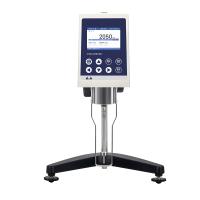
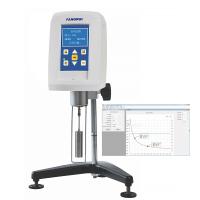
Measuring the viscosity of hot paraffin is very important for process control, quality control, new product development and market demand. There are several reasons for measuring hot paraffin viscosity:
Processing control: Hot paraffin needs to maintain a certain viscosity during processing, so as to ensure that it can be coated on the surface of objects in a molten state and form a uniform protective layer after solidification. Therefore, measuring the viscosity of hot paraffin can help processors control parameters such as temperature and shear rate to ensure that its viscosity is stable and thus produce a high-quality product.
Quality Control: The viscosity of hot paraffin is also related to its quality. Too high a viscosity may cause the product to be difficult to spread evenly during application, while too low a viscosity may result in insufficient coating thickness of the product. By measuring the viscosity of hot paraffin, its quality in production can be controlled.
New product development: Measuring the viscosity of hot paraffin can help developers evaluate the impact of different ingredients and formulations on viscosity, so as to determine better product formulations and process parameters, and then obtain better product performance and production efficiency.
Market demand: Different applications require different thermal paraffin viscosities. For example, automobile manufacturing requires high-viscosity hot paraffin to coat the chassis and body for better corrosion protection and noise reduction. The construction industry, on the other hand, requires lower viscosity thermal paraffins to coat exterior walls and roofs for thermal insulation and waterproofing protection. By measuring the viscosity of hot paraffin, it is possible to produce products that meet market demands.
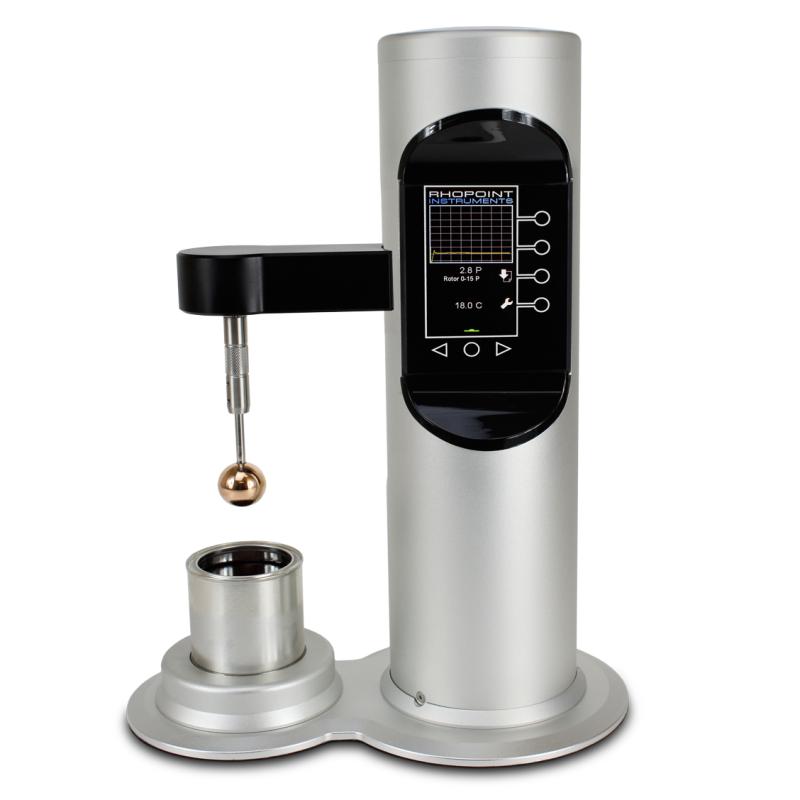
Rotational viscometers are also widely used in hot paraffin viscosity testing. Thermal paraffin is a material used in the manufacture of products such as candles, lubricating oils and sealing materials, and its viscosity is an important parameter for evaluating its properties and performance.
The following is the application of Rotational Viscometer in the detection of hot paraffin viscosity and its detection steps:
According to the type of sample and the required temperature range, select the appropriate Rotational Viscometer and calibrate it.
Prepare the hot paraffin sample and inject it into the Rotational Viscometer.
According to the characteristics of the sample and testing requirements, set the testing parameters of the Rotational Viscometer, such as temperature, rotational speed and time, etc.
Start the Rotational Viscometer and observe the movement of the sample within the Rotational Viscometer while recording the viscosity data.
Repeat the above steps over the desired temperature range to obtain more data and verify viscosity stability.
Calculate the viscosity value of hot paraffin according to the obtained data, and analyze and compare the results.
After the test is complete, turn off the Rotational Viscometer and clean the device and sample.
NBCHAO reminds you: when testing the viscosity of hot paraffin, you need to pay attention to the following points:
The preparation and processing of samples should be operated strictly in accordance with the regulations to avoid the influence on the test results.
During the detection process, parameters such as temperature and rotational speed need to be well controlled to ensure the accuracy and reliability of the data.
According to different materials and testing purposes, it is necessary to select a suitable Rotational Viscometer and perform appropriate test parameter settings.
When testing the viscosity of hot paraffin, it is also necessary to pay attention to the safety of equipment and samples to prevent accidents.