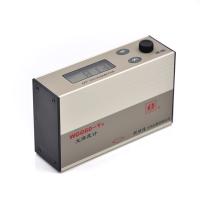
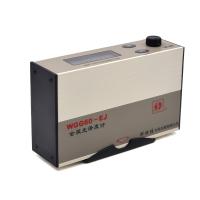
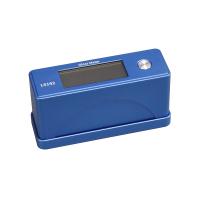
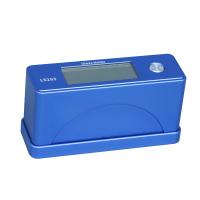
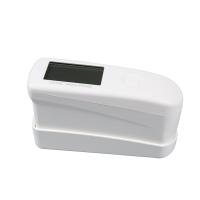
Measuring the surface gloss of plastic products can evaluate its appearance quality and surface gloss, and is one of the important indicators to measure the quality of plastic products. Generally, the higher the glossiness of plastic products, the smoother and neater the surface, and the more high-end and aesthetically pleasing the appearance. By measuring the glossiness of the surface of plastic products, defects such as flatness, scratches and stains on the product surface can be evaluated to ensure that product quality meets standards and customer requirements. In addition, in the production process of plastic products, quality control and product design optimization can also be carried out by measuring the glossiness of plastic products with different colors and textures. When consumers purchase plastic products, they can also choose suitable products according to their glossiness to meet personal needs and aesthetic requirements. Therefore, measuring the glossiness of the surface of plastic products is of great significance for the production of plastic products, quality control and consumer selection.
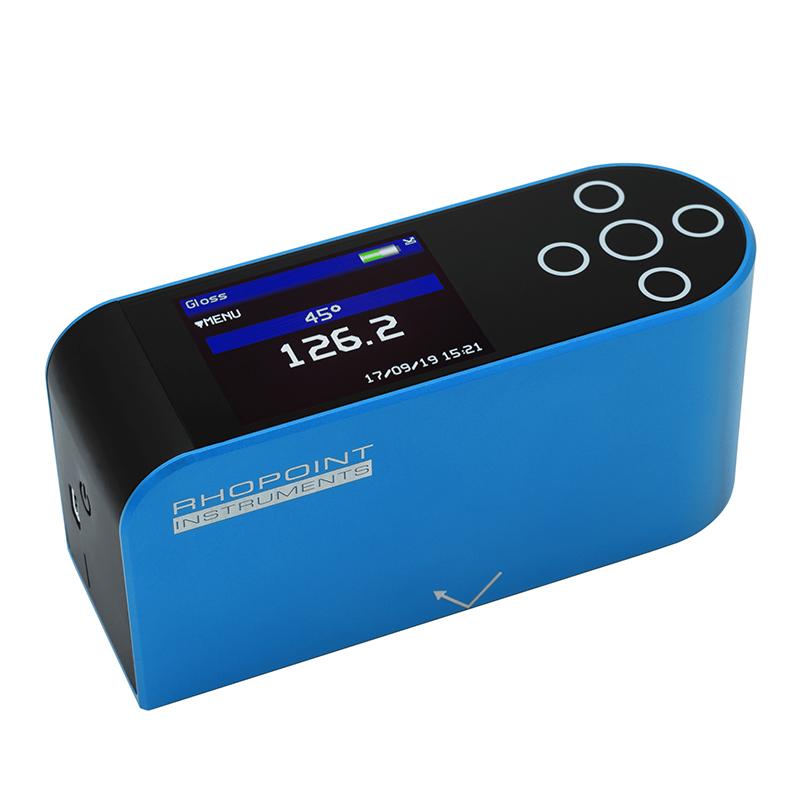
application
Plastic manufacturing: In the plastic manufacturing process, the gloss meter can be used to detect the surface quality of plastic products to ensure that the produced plastic products meet the design requirements, and can provide feedback on the plastic formulation and manufacturing process.
Quality control: In the process of plastic production and application, the gloss meter can be used to detect the gloss and reflectivity of the surface of plastic products, and determine whether the quality of plastic products meets the requirements. This can help manufacturers and users identify and solve plastic surface quality problems during production and application.
Application process: In the plastic application process, the gloss meter can be used to detect the gloss and reflectivity of the surface of the plastic product to ensure that the appearance and performance of the plastic product meet the requirements, and can provide feedback on the quality and thickness of the plastic product .
Measurement steps
Preparation: Place the Glossmeter on a level surface and follow the instructions in the operator's manual to calibrate and adjust the instrument to ensure its accuracy.
Sample Preparation: Before performing gloss measurements, samples need to be prepared. Start by cleaning the sample surface to ensure it is free of impurities such as dust, dirt, and grease. Then place the sample on the measuring table of the gloss meter, and make sure that its surface is flat and smooth without uneven blemishes.
Measurement process: put the probe of the gloss meter on the surface of the sample, and press the measurement button to start measurement. The instrument will send light to the surface of the sample and record the reflection of the light. From these reflectance data, the gloss value and reflectance of the sample can be calculated. During the measurement, it should be ensured that the probe of the gloss meter is kept perpendicular to the surface of the sample, and the influence of the surrounding environment on the measurement results should be minimized.
Result analysis: After the measurement is completed, compare the gloss value and reflectivity with the design requirements