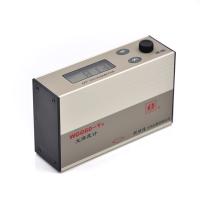
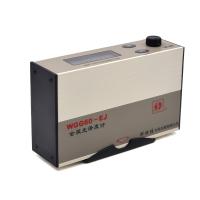
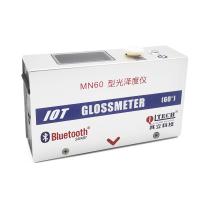
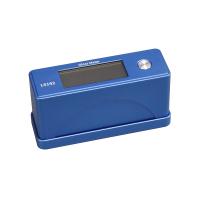
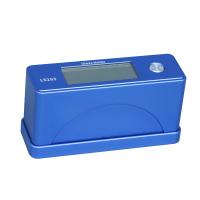
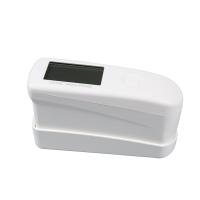
The glossiness of a paint refers to the intensity and uniformity of light reflected on its surface, and is an important indicator for evaluating the surface quality of a paint. Measuring the gloss of the paint can detect its surface flatness, coating uniformity, hardness, durability and other properties, so as to judge whether the quality of the paint meets the requirements. At the same time, the glossiness of the paint is also related to its color effect, and the measurement can further ensure the consistency and accuracy of the color. In the process of paint manufacturing and application, it is very necessary to measure gloss, which can effectively control the quality of paint, improve the application effect of paint and the appearance quality of end products. Especially in the fields of furniture and architectural decoration, gloss is one of the important factors to evaluate the appearance of products, so it is more important to measure gloss.

application
In the production of colored paint, by measuring the gloss of the coating, we can know the surface finish, flatness, transparency and other information of the coating, so as to ensure the quality of the product and provide a basis for adjusting the production process.
Measurement steps
Prepare the samples: Apply the paint to be tested on the test panel and allow to dry.
Determine the test conditions: select the test angle and light source according to actual needs.
Place the sample: place the sample on the test table of the gloss meter, and adjust the test angle so that the light shines on the sample surface vertically.
Perform a test: start the gloss meter, press the test button, and wait for the test result to be displayed. Test results can be relative gloss values or absolute gloss values, depending on the instrument model and settings.
Record the results: Record the test results, and multiple tests can be performed to obtain more accurate data.
Clean the sample: clean the surface of the sample for the next test.
Beichao reminds you: In order to ensure the accuracy of the test results, it is necessary to select the appropriate test angle and light source, and to calibrate before the test. At the same time, attention should be paid to maintaining the stability of the test environment and avoiding the influence of light interference and other factors on the test results.