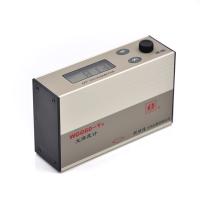
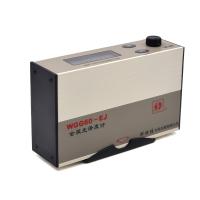
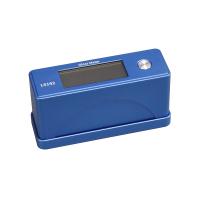
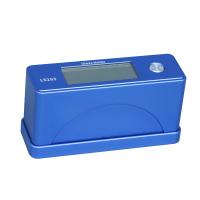
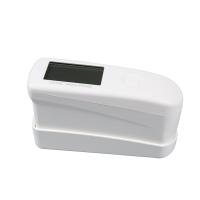
Measuring the gloss of glass can be used to evaluate its surface flatness, clarity and optical properties. The glossiness of glass refers to the intensity and glossiness of the reflected light on its surface, which is usually measured by equipment such as a gloss meter. The glossiness of glass is affected by many factors, such as glass composition, surface treatment, preparation process, etc. In the process of glass preparation and application, changes in gloss may affect its appearance quality and optical properties, such as light transmittance, refractive index, color, etc., thereby affecting the market competitiveness and user experience of the product. Therefore, measuring the gloss of glass is an important link in glass processing, which can be used for quality control and product optimization, and then to ensure that the gloss of glass meets the requirements. At the same time, for applications that require high transparency and high gloss, such as construction, automobiles, and electronic products, the measurement of gloss is also one of the key factors to ensure product quality and market competitiveness.

The gloss meter can be used for the gloss test of glass to help evaluate the gloss of the glass surface and the effect of surface treatment. The following are the measurement steps of glass gloss detection:
Prepare the sample: Select a flat area from the glass surface for measurement, clean it and make sure that the surface is free of impurities or deposits.
Prepare the instrument: turn on the gloss meter, and set the instrument parameters according to the instruction manual of the instrument. Choose the measurement angle of the gloss meter according to the actual situation, usually between 20 degrees, 60 degrees and 85 degrees.
Perform calibration: use the standard plate that comes with the instrument for calibration. Place the standard plate in the test area of the instrument and calibrate according to the instrument's instructions.
Measurement: Place the measuring head of the gloss meter on the surface of the sample, and press the measurement key on the instrument to measure. Three measurements were taken at each test angle to obtain an average value. Make sure to clean the measuring head before each measurement to avoid residual dirt and dust from affecting the test results.
Record and analyze data: record the measurement results, and perform data analysis and comparison. Data processing software can be used for graphical analysis and report generation if required.
North and South Chao reminds you: the treatment and state of the glass surface may affect the measurement results of gloss, so the sample should be properly treated and cleaned before measurement. In addition, the high reflectivity of glass may affect the measurement results, so care should be taken to avoid the interference of external light during measurement.