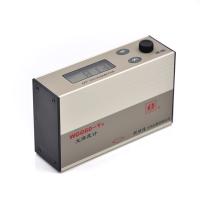
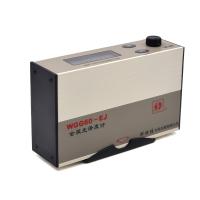
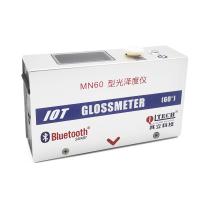
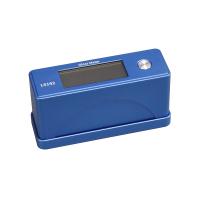
The glossiness of automotive coatings is an important parameter to characterize its surface smoothness and reflective properties. Measuring the glossiness of automotive coatings can evaluate the flatness, reflectivity and optical performance of its surface, help to detect the quality and use effect of coatings, and ensure the quality and lifespan of automotive appearance. The glossiness of automotive coatings can also be used to distinguish different types of coatings and coating processes in order to select suitable coatings and processes. In addition, measuring the glossiness of automotive paint can also be used to detect whether there are blemishes, defects and oxidation on the surface of the coating, so that maintenance and repair can be carried out in time. Therefore, measuring the glossiness of automobile coatings is one of the important detection methods to ensure the appearance quality and use effect of automobiles.

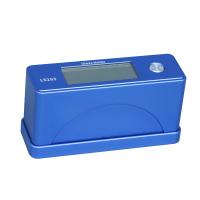
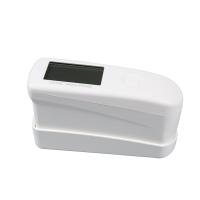
Gloss meter is widely used in the gloss test of automotive coatings, mainly used to measure the gloss of automotive surface coatings. By using a gloss meter, the reflected light of a coating can be accurately measured to evaluate its gloss and appearance quality.
The following are general steps for measuring the glossiness of automotive coatings using a gloss meter:
Prepare the sample: The surface of the sample should be clean and smooth without scratches or blemishes, and ensure that it is free from dust or other impurities when exposed to light.
Turn on the Glossmeter: Make sure the instrument is calibrated and in the correct working mode.
Measurement: Put the head of the gloss meter against the surface of the sample, press the trigger on the instrument, and wait for the measurement result to be displayed.
Repeated measurements: To ensure accuracy, it is often necessary to take multiple measurements of each sample and average them.
Document the results: Document the measurement results in a relevant file or report, including the gloss value and any additional parameters such as measurement angle, etc.
Different types of paint may require different measurement angles, so the relevant paint specification should be consulted before using a gloss meter. In addition, care should be taken to avoid the interference of external light during the measurement process to ensure the accuracy of the measurement results.