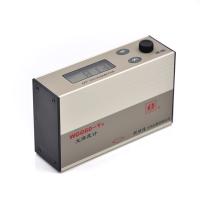
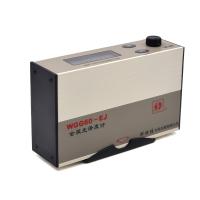
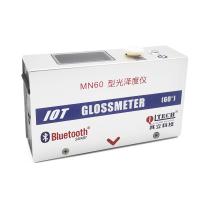
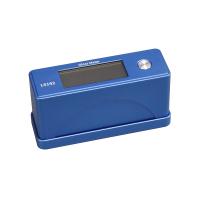
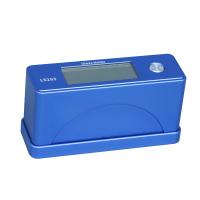
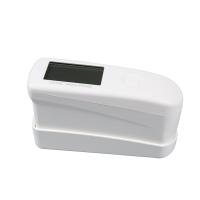
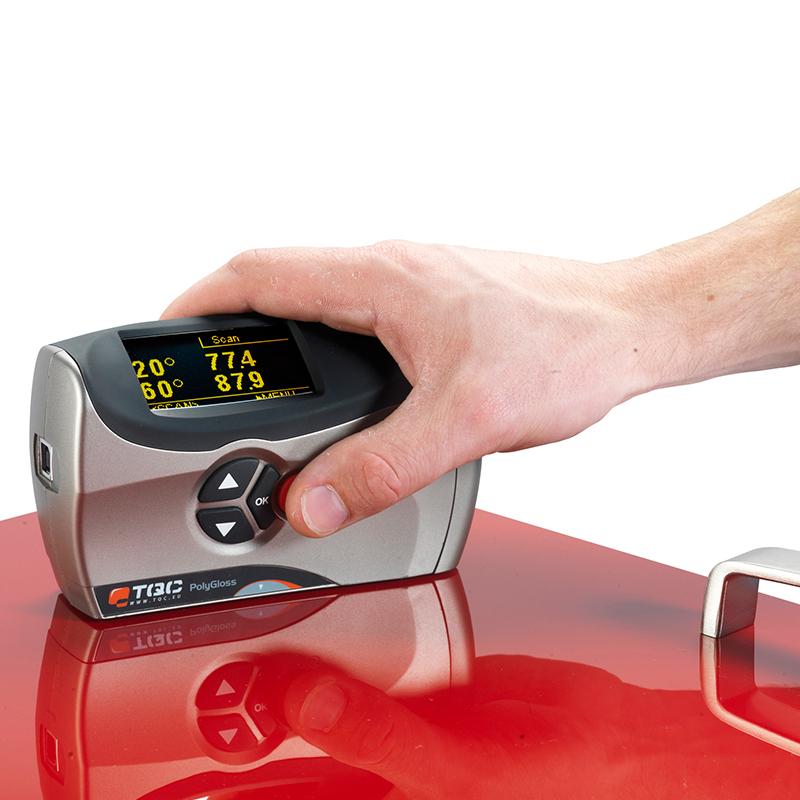
Gloss meter is a commonly used detection tool in the gloss test of water-based paint. It can measure the gloss and reflectivity of the surface of water-based paint to evaluate the quality and appearance of water-based paint.
Application meaning
The glossiness of water-based paint refers to the reflective ability of its surface, that is, the brightness of the surface. Measuring the gloss of a water-based paint can help determine the quality and appearance of a water-based paint surface. If the glossiness of the surface of the water-based paint is not uniform or does not meet the requirements, it will cause the surface color to be incongruous, and the reflected light on the surface is not bright enough, which will affect the appearance and quality of the water-based paint. Therefore, measuring the glossiness of water-based paint can check the uniformity and quality of the water-based paint surface, ensure that the water-based paint meets the requirements, and improve the appearance and quality of the water-based paint. In addition, gloss is also an important indicator of the surface treatment process of water-based paint. For some water-based paint products treated with special processes, such as high-gloss treatment and matte treatment, it is necessary to measure the influence of gloss.

Detection steps
The following are the measurement steps of the gloss meter in the gloss detection of water-based paint:
Prepare samples: Select representative samples of water-based paints and randomly remove a certain number of samples from them for testing. Make sure the surface of the sample is clean, flat, and free of obvious defects.
Calibrate the instrument: Before using the gloss meter, it is necessary to calibrate the instrument to ensure the accuracy and reliability of the measurement results. The calibration process usually includes black and white plate calibration and standard plate calibration.
Measure the sample: put the sample on the gloss meter, press the measurement button to measure. When measuring, make sure that the position and angle of the light source and photocell are correct to avoid errors. Often multiple measurements are taken and averaged for the final gloss measurement.
Analyzing data: Carry out data analysis and processing according to the measurement results, and compare the gloss difference between different samples to evaluate the quality and appearance of water-based paint. At the same time, the measurement results can be compared with the specifications provided by the water-based paint used to ensure that the water-based paint meets the standards.
Record the results: Record the measurement results and file them. This can be presented and communicated in the form of diagrams or reports if required.
NBCHAO reminds you: when testing the glossiness of water-based paint, it is necessary to strictly control the test conditions and the use of instruments to ensure the accuracy and reliability of the measurement results. At the same time, the glossiness of the water-based paint surface is also affected by many factors, such as color, construction method, coating thickness and so on. Therefore, when testing the glossiness of water-based paint, it is necessary to fully consider various factors and effectively control the production process of water-based paint