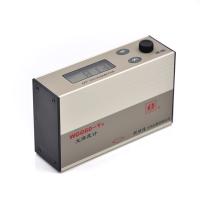
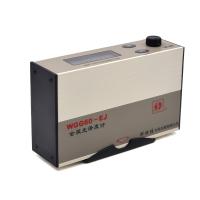
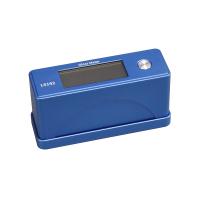
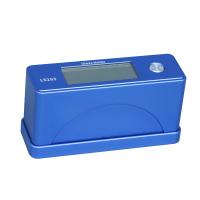
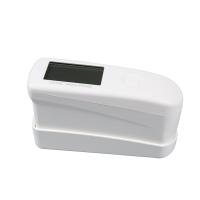
Tile gloss is a measure of the ability of a surface to reflect light and is often used to assess the quality and aesthetics of tiles. Measuring the gloss of ceramic tiles can help manufacturers determine the quality of their products and perform quality control. The surface of high-gloss tiles has strong reflective ability, better gloss and visual effects, which can improve the overall aesthetics and sense of grade of tiles, and are widely used in indoor and outdoor decoration. The surface of low-gloss tiles is more natural and soft, which can produce a warm and intimate feeling, suitable for some special occasions and decoration styles. In addition, measuring the glossiness of tiles can also help consumers choose and match different decoration materials to meet different decoration needs and personal preferences. Therefore, in the construction and decoration industry, it is very important to measure the glossiness of ceramic tiles, which can provide important references for product design, production and quality control.

Measurement steps
Prepare tile samples: Choose a representative sample from the tile, clean it and wait for its surface to dry.
Turn on the gloss meter: Turn on the gloss meter and make sure it is in a stable state, usually it needs to be warmed up.
Calibrate the instrument: Calibrate the instrument using standard calibration sheets to ensure its accuracy.
Measuring tile gloss: put the probe of the gloss meter on the surface of the tile and press the measurement button, wait for the instrument to display the gloss value.
Repeated Measurements: If desired, multiple measurements can be taken on the same tile sample to ensure accurate and repeatable measurements.
Document results: Record measurements and label tile samples for follow-up and analysis.
North and South Chao reminds you: Different types and colors of tiles may have differences in gloss, so it is necessary to select appropriate measurement conditions and standards for measurement and analysis according to specific conditions.