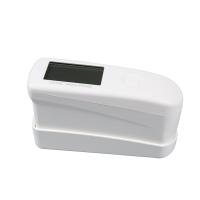
The luster of a diamond refers to the degree to which its surface reflects light, and it is also one of the important indicators for evaluating the quality and value of a diamond. Measuring a diamond's luster reflects its quality in terms of clarity, colour, cut and finish. The luster of diamonds can be evaluated by human eye observation and comparison of the surface reflection of different diamonds, or it can be measured by professional gloss testing equipment. By measuring the luster of diamonds, its quality and market price can be determined, and it can also provide an important reference for the identification, processing and sales of diamonds. In addition, the glossiness of diamonds is also related to the angle of refraction and reflection of light by its cutting, so the measurement of glossiness can also provide important guidance and reference for diamond cutting and processing.

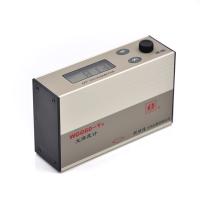
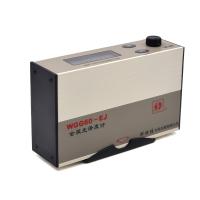
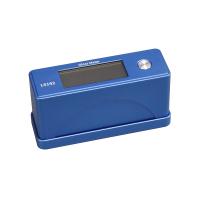
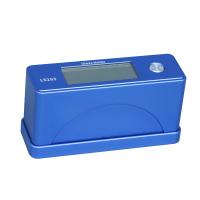
Glossmeters can be used to measure the gloss of gemstones such as diamonds to evaluate the appearance quality of gemstones. The following is the application of gloss meter in diamond gloss detection and its measurement steps:
Prepare the sample: Place the diamond to be tested on the Glossmeter.
Adjusting the Gloss Meter: According to the gloss meter's instructions, adjust the equipment to measure the gloss of the diamond. Often the position of the light source and Detector needs to be adjusted.
Data collection: Press the measurement button, the gloss meter will emit a beam of light on the surface of the diamond, and collect the reflected light through the Detector. The process requires multiple measurements at different angles and positions to obtain an average of the gloss.
Analyze data: Use the software provided by the gloss meter to analyze the data and generate a measurement report. Reports typically include gloss values as well as graphs showing gloss versus angle.
North and South Tide Tips: Since diamonds and other precious stones have very high gloss, it is necessary to use a high-precision gloss meter for measurement. In addition, it is also necessary to keep the sample surface clean and smooth to avoid impurities or blemishes affecting the measurement results