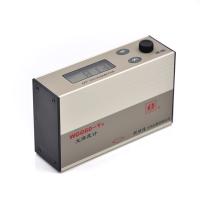
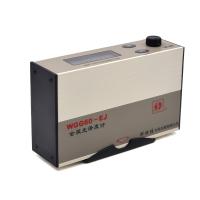
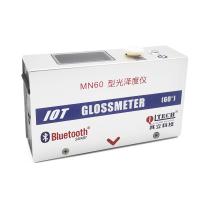
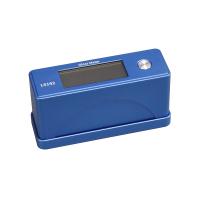
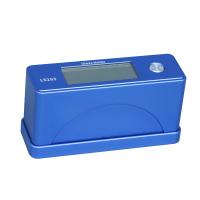
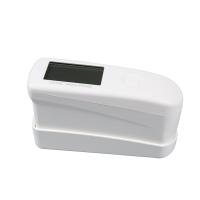
The glossiness of leather refers to the intensity and uniformity of reflected light on its surface, and is an important indicator to measure the smoothness and quality of leather surface. Measuring the gloss of leather can evaluate the gloss and uniformity of the leather surface, so as to judge whether the quality and processing technology of the leather meet the requirements. At the same time, gloss is also related to the color and feel of leather, and measurement can in turn ensure the consistency and precision of color, as well as the quality of touch and appearance of leather. In the process of leather production and processing, it is very necessary to measure glossiness, which can control the quality and processing effect of leather and improve the market competitiveness of leather products. Especially in the manufacture of high-end leather products, gloss is one of the important factors to evaluate product quality, therefore, it is more important to measure gloss.

Measurement steps:
Instrument preparation: turn on the gloss meter, and perform zero point calibration after the self-inspection is completed, that is, place the instrument on a black standard plate without light reflection, press the zero point calibration key, and measure after the instrument emits a beep.
Sample preparation: Place the leather garment to be tested flat on a horizontal platform to ensure that the surface is flat and free of obvious stains or damage.
Measurement steps: Aim the measuring head of the gloss meter at the surface of the leather garment to be tested, and press the measurement button to measure. Each position is measured 3 times, and then the average value is taken as the gloss value of the position.
Data processing: Average the measurement results of multiple locations to obtain the overall gloss value of the leather garment. You can choose to display the gloss value, brightness value or other related parameters according to actual needs.
NBCHAO reminds you: In the gloss test of leather clothing, the cleanliness and uniformity of the sample surface have a great influence on the measurement results, so the sample surface should be clean and clean before measurement, and avoid obvious stains or damage. In addition, in order to improve the accuracy of the measurement, it is recommended to carry out the measurement in a dark environment, and try to avoid the interference between the instrument and the external light source.