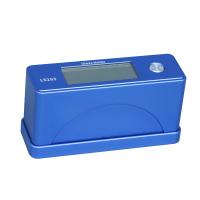
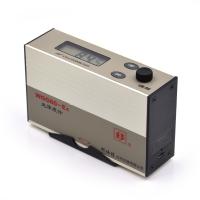
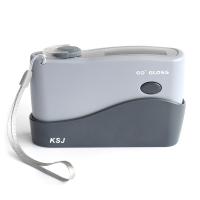
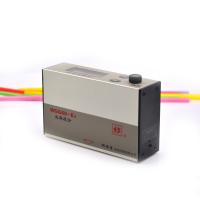
Gloss meter type
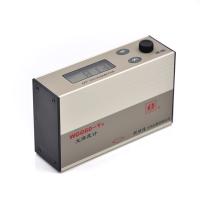
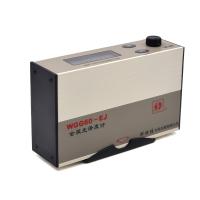
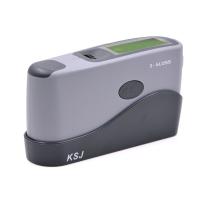
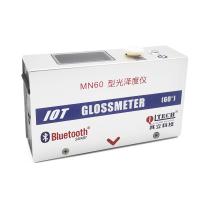
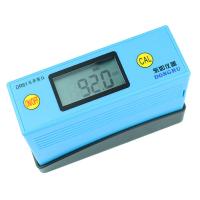
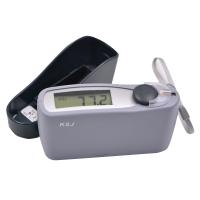
Definition of gloss meter: Gloss meter, also called gloss meter, is an instrument used to measure the gloss of the surface of an object.
The gloss meter is divided into three types: high gloss, medium gloss and low gloss according to the angle. According to the definition of international standards, it can also be divided into 85-degree low gloss meter, 60-degree medium gloss meter and 20-degree high gloss meter. Different manufacturers will make Double-angle or even three-angle gloss meter. The most suitable is the 60 ° gloss meter.
The gloss meter is easy to operate. Generally, the instrument needs to be calibrated on a random standard plate before measurement, and then measured.
Measurement principle:
Gloss is a physical quantity that evaluates the ability of a material's surface to reflect light under a set of geometrically specified conditions. Therefore, it expresses the reflective property with directional selection. According to the characteristics of gloss, gloss can be divided into several categories. We usually say gloss refers to "mirror gloss", so a gloss meter is sometimes called a mirror gloss meter. Gloss is completely different from the overview of "finish" or "roughness" in the machining industry, which is an assessment of the small unevenness of the surface of a material.
The light source emits a beam of light through the lens L1 to reach the measured surface P, the measured surface P reflects the light to the lens L2, the lens L2 converges the beam of light to the photovoltaic cell located at the light bar B, and the photovoltaic cell performs photoelectric conversion. The electrical signal is sent to the processing circuit for processing, and then the instrument displays the measurement result.
It should be noted that during the entire gloss measurement process, the light of the default light source is very stable and will not change.