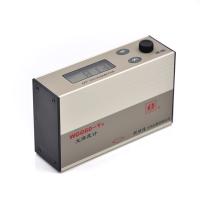
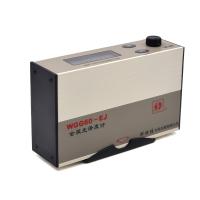
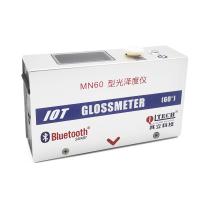
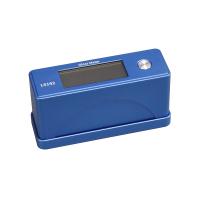
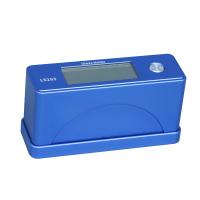
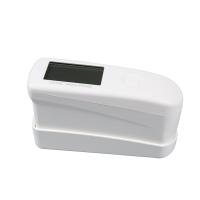
As a commonly used metal material, stainless steel is widely used in industry, construction, home furnishing and other fields. Measuring the gloss of stainless steel can evaluate its surface finish and quality, and judge whether its surface treatment meets the requirements. The gloss of stainless steel is usually divided into two types: specular gloss and polished gloss. Different application scenarios require different types of gloss, for example, high-end home decoration requires higher specular gloss, while machining requires higher polishing gloss. In addition, measuring gloss can also help evaluate the corrosion resistance and wear resistance of stainless steel surfaces, because the higher the surface finish, the better the corrosion resistance and wear resistance of stainless steel materials. Therefore, measuring the glossiness of stainless steel is a necessary step to ensure its quality and performance, and it is also an important indicator for selecting stainless steel materials suitable for different application scenarios.
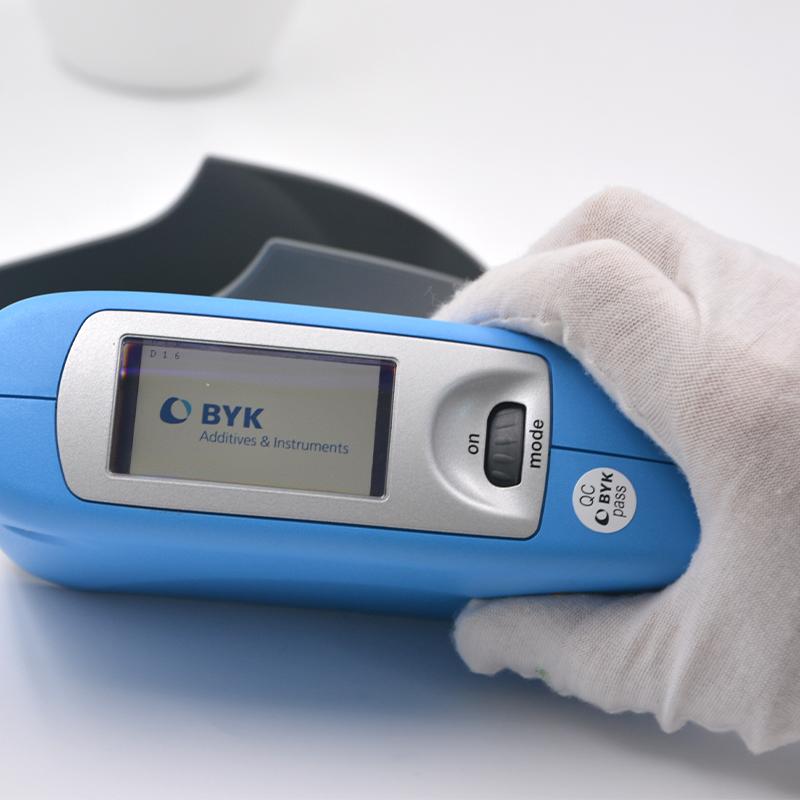
Gloss meter is an instrument used to measure the surface gloss of materials, and is widely used in the detection of surface gloss of various materials such as metals, plastics, and ceramics. In the gloss detection of stainless steel, the gloss meter is also a commonly used tool.
The following are the measurement steps of the gloss meter in stainless steel gloss detection:
Preparation: Put the gloss meter on a stable level surface, install the test bracket according to the instructions, and insert the test head into the socket on the bracket.
Calibration: Before actual measurement, calibration is required to ensure the accuracy of test results. The calibration steps include cleaning the surface of the test head, placing the standard plate under the test head, and performing calibration according to the instructions.
Measurement: Place the stainless steel sample on the test stand, adjust the height of the test head to ensure contact with the sample surface. Press the measurement key to measure, and record the measured value after the measurement is completed.
Result analysis: compare the measurement results with the standard plate to judge whether the surface gloss of the sample meets the requirements.
Beichao reminds you: when measuring gloss, you should ensure that the test environment has uniform light and avoid external light interference. In addition, the treatment method and state of the stainless steel surface will also affect the gloss measurement results, so when performing gloss measurement, try to maintain the consistency of the sample surface.