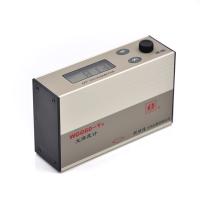
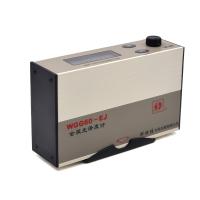
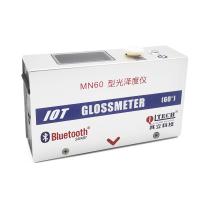
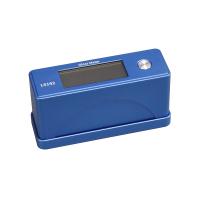
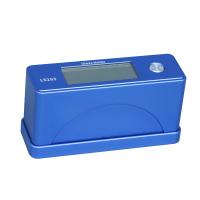
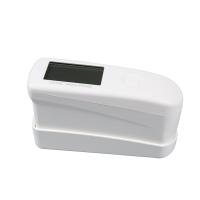
Gloss meter is a commonly used quality inspection equipment in the printing industry, which can be used to measure the gloss of printed matter.

Application meaning
The glossiness of a printed matter refers to the reflective ability of its surface, that is, the degree of brightness of the surface. Measuring the gloss of a print can help determine the print quality and appearance of a print. If the glossiness of the surface of the printed matter is uneven or does not meet the requirements, the color of the image will not be bright, which will affect the appearance and quality of the printed matter. Therefore, measuring the gloss of printed matter can check the uniformity and quality of the printed matter surface, ensure that the printed matter meets the requirements, and improve the printing quality and appearance of the printed matter.
In addition, glossiness is also an important indicator for evaluating the glossiness of the surface of printed matter. For some special-purpose printed matter, such as posters, brochures, etc., the influence of glossiness needs to be considered.
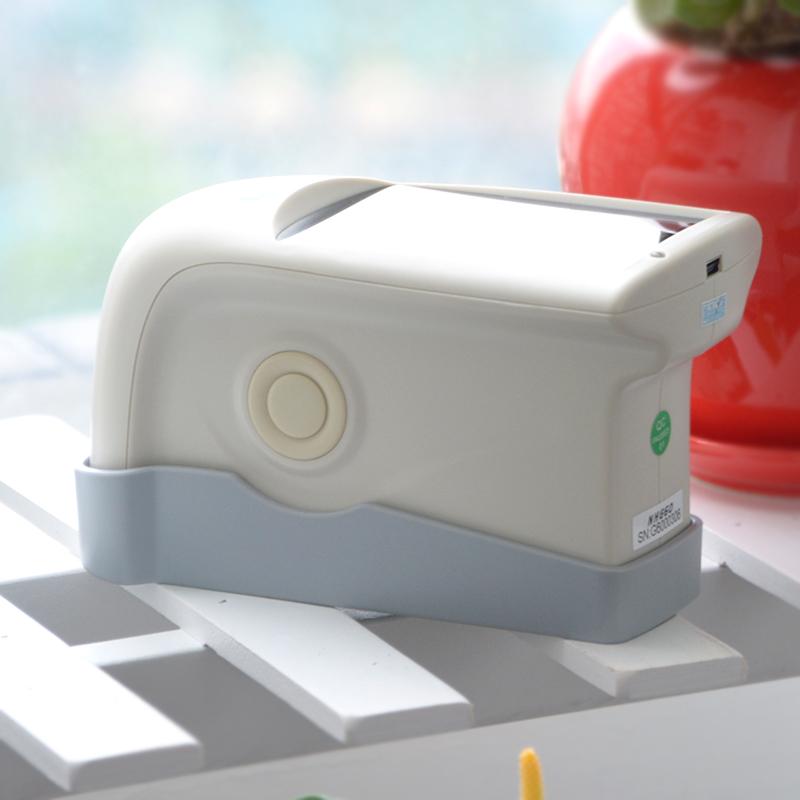
Detection steps
The following are the measurement steps for gloss detection of printed products:
Prepare samples: Place the printed matter to be tested on a flat table to ensure that the surface is clean and flat.
Stable environment: place the printed matter in a constant temperature room and stabilize the temperature for at least 30 minutes to ensure a stable test environment.
Adjust the instrument: Adjust the gloss meter according to the instruction manual, such as adjusting the zero point, selecting the measurement mode, etc.
Measure the sample: aim the measuring head of the gloss meter at the surface of the printed matter, press the measurement button, and record the measurement result.
Repeated measurement: Repeat the above steps to measure the same printed matter multiple times, and take the average value as the final measurement result.
NBCHAO reminds you: during the process of testing the glossiness of printed matter, the test environment should be stable to avoid external light interference, and at the same time, attention should be paid to the cleanliness and flatness of the printed matter surface, so as to ensure the accuracy of the measurement results. In addition, when using the gloss meter, care should be taken to protect the measuring head of the instrument to avoid collision and damage.