1 Definition, Purpose and Significance

2 Relevant standards
IS013803 2000 Paints and varnishes Determination of 20° shadowing on one-color paint film
3 Introduction to key points of inspection methods
3.1 Test Principle
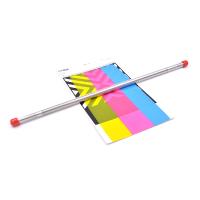
Use the scattered light received on both sides (±0.9°) of the surface of the paint film close to the 20° reflected light to measure the reflection haze of the paint film. as shown in picture 2:

3.2 Materials and equipment
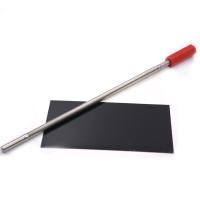
Substrate: Agreed, it can be a glass plate, 150mmx100mm, with a thickness of at least 3mm;
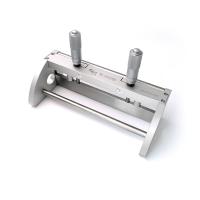
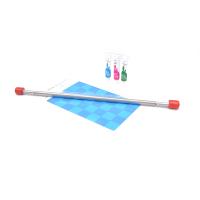
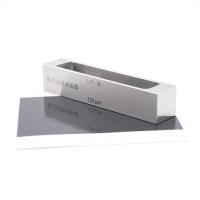
Wet film maker: specification 150µm;
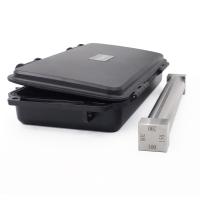
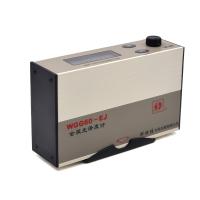
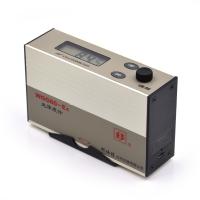
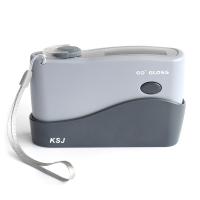
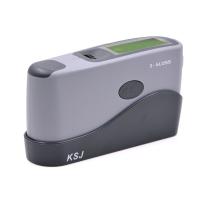
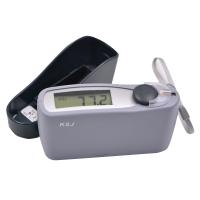
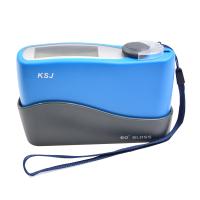
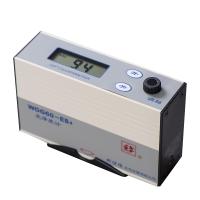
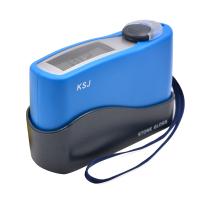
Haze meter: the common one is No.4600 multiple shadow gloss meter (BYK_Gardner company of Germany), as shown in Figure 3:

3.3 Operation points
3.3.3.1 Preparation of test panels
In general, use a Wet Film Applicator with a specification of 150 to apply the color paint on a clean glass plate, and dry it under specified conditions to obtain a flat paint film.
3.3.3.2 Determination of haze
Determination of multiple shadows on the paint film on the glass substrate: after adjusting and calibrating the instrument, take three readings at different positions of the test paint film parallel to the coating direction. If the result error is less than 0.5 units, record the average value as the linear haze value. Otherwise, perform three more determinations and record the average and limit values of all six values.
Determination of multiple shadows of paint film on non-glass J-based materials: after adjusting and calibrating the instrument, measure six times in different areas or directions on the surface of the sample (except for texture directions such as brush marks on the surface of the coating), and record the average value . If the error of six measurement results is less than 1 unit value or 20% of the average value, record the average value and limit value. Otherwise discard the test panel.
3,4 The result shows
Expressed as the mean linear haze value or, by agreement, the logarithmic mean of the haze.
3.5 Precautions
3.5.1 When measuring the varnish, black glass or a glass plate with rough edges coated with matt black paint should be used as the substrate.
3.5.2 When measuring coatings with brush marks, raised wood grains or similar regular textures on the surface, the measurement direction should be parallel to the incident and reflection planes of the instrument.