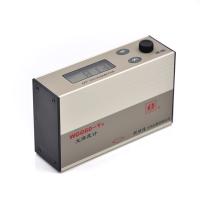
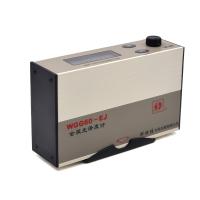
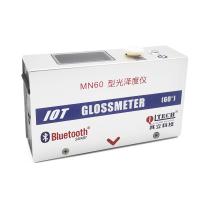
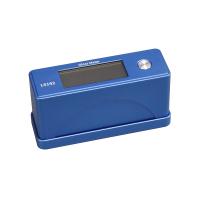
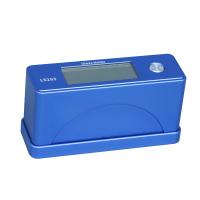
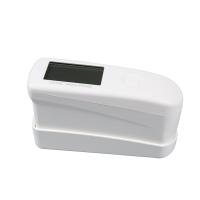
Measuring the glossiness of cloth is to evaluate its appearance quality and material characteristics, because glossiness is one of the important indicators to characterize the smoothness, reflection ability and texture of the cloth surface. High-gloss fabrics have a smooth, bright, and reflective surface, which can improve their aesthetics and texture, thereby enhancing their market competitiveness. At the same time, the high-gloss fabric surface also has better anti-fouling properties, which can effectively resist the adhesion of dust, stains and other impurities to the fabric surface, making it easier to clean and maintain. Low-gloss fabrics, on the other hand, may exhibit a softer, more natural style, suitable for some specific applications. Measuring the glossiness of fabrics can also help manufacturers monitor production quality, discover problems in the production process in time, and make improvements and adjustments to ensure product stability and consistency. In addition, for some special fields, such as textile science, textile design, etc., the glossiness of cloth also has important research and application value.
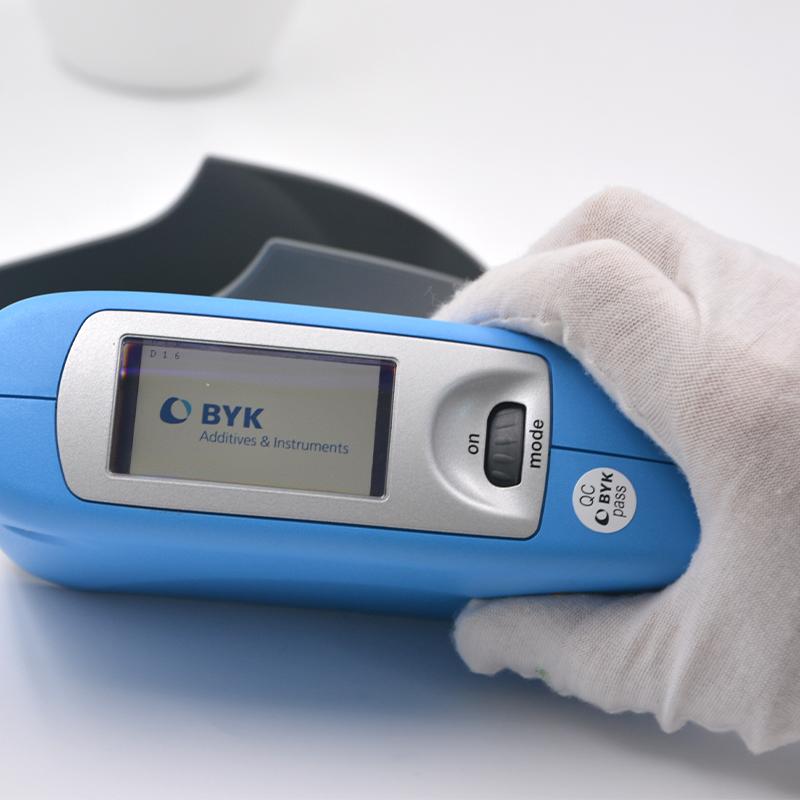
The application of gloss meter in clothing gloss detection is mainly to measure the gloss of clothing fabrics to evaluate the appearance quality of fabrics. The gloss meter can measure various types of fabrics, such as silk, cotton, polyester, nylon, satin, etc. The following are the measurement steps of the gloss meter in the inspection of clothing gloss:
Sample preparation: Cut the fabric sample to be tested to a standard size and lay it flat.
Stable environment: Place the gloss meter in a stable environment to avoid interference from strong sunlight, electronic screens and other light sources.
Calibrate the instrument: calibrate the instrument according to the operating instructions of the gloss meter.
Place the sample: place the sample on the measuring table of the gloss meter, make sure that the sample completely covers the test area.
Make a measurement: Press the measurement button, the gloss meter will emit a beam of light to shine on the sample, then measure and record the reflectance of the light, that is, the gloss value of the sample.
Multiple measurements: In order to ensure the accuracy of the measurement, it is recommended to perform multiple measurements on the same sample, and then take the average value as the final gloss value.
Analysis results: According to the measured gloss value, the gloss of the fabric can be evaluated to determine whether its appearance quality meets the requirements.
Beichao reminds you: when testing the glossiness of clothing, you should choose a test angle that is suitable for the texture of the fabric to ensure the accuracy of the measurement results. At the same time, attention should be paid to maintaining the stability of the test environment to avoid measurement errors