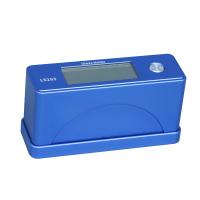
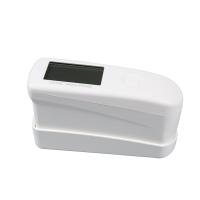
The glossiness of the ink film layer is an important indicator for evaluating the glossiness of the printed matter surface. By measuring the gloss of the ink film layer, it can help print manufacturers and designers understand the quality and appearance of prints.
A high-gloss ink film generally enhances the visual impact and appeal of a print, resulting in sharper images and richer colors. Therefore, many high-quality printed materials, such as magazines, picture albums, packaging boxes, etc., need to have a high gloss.
In addition, measuring the glossiness of the ink film layer can also be used to control the production process of printed matter. Print manufacturers can adjust the settings of the printing press based on the measurement results to ensure that the gloss of the ink film layer meets the expected requirements.
To sum up, measuring the gloss of the ink film layer is an important method to evaluate the quality and appearance of the printed matter, which can help manufacturers and designers to choose the appropriate ink and printing machine settings to ensure that the printed matter has better gloss degree and visual effects.
Detection method
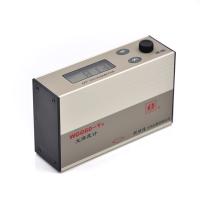
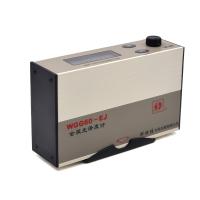
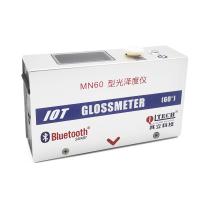
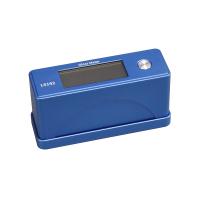
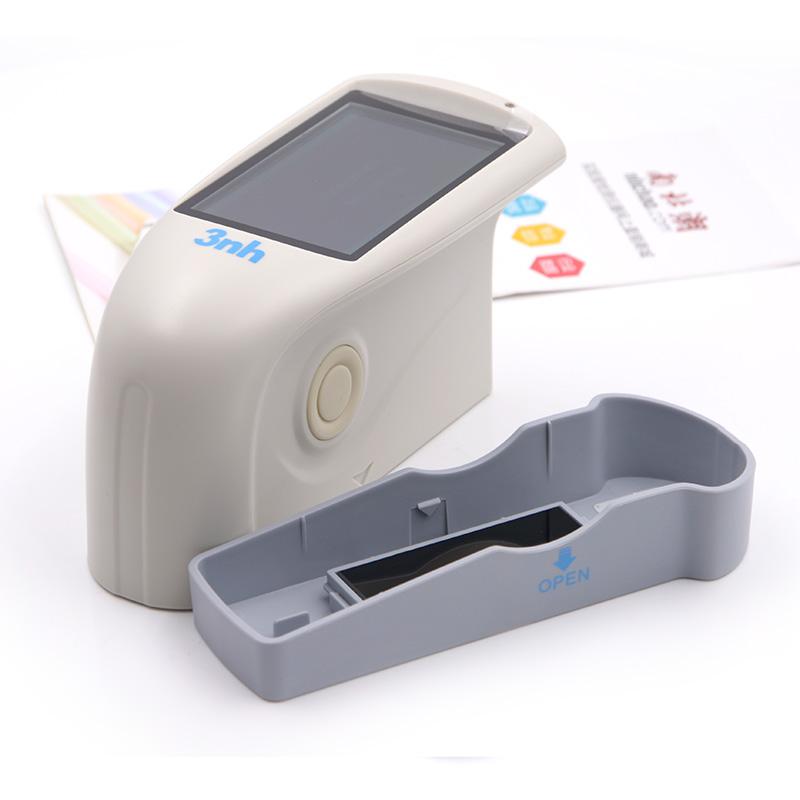
Gloss meter is a very common application in ink film gloss detection, the following are the measurement steps:
Prepare the sample: Brush or spray the ink to be tested onto a suitable substrate and allow to dry and achieve a flat surface.
Calibrate the instrument: The gloss meter needs to be calibrated before actual measurements can be made. Generally, standard samples or standard plates are used for calibration to ensure the accuracy of measurement.
Place the sample: place the sample on the gloss meter measuring table and keep its surface level. It is necessary to ensure that the sample surface is clean and dust-free, and try to avoid touching the sample surface before measurement.
Taking Measurements: Turn on the gloss meter and take a measurement. Depending on the model and requirements of the instrument, it may be necessary to select a different measurement angle and light source type. Generally speaking, commonly used measurement angles are 20°, 45° and 60°, and the types of light sources include natural light, full light and contrast light.
Documentation of results: Documentation of measurement results and data processing. Multiple samples can be compared and analyzed as needed, and the results can also be exported to computer software for further processing.
In short, the gloss meter is a simple, fast and accurate method in the ink film gloss test. By measuring the gloss of the ink film layer, the quality of the ink and the coating effect can be evaluated.