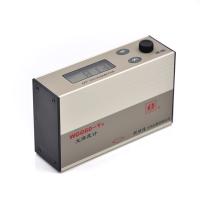
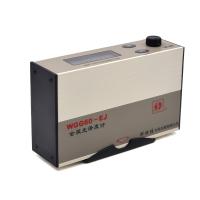
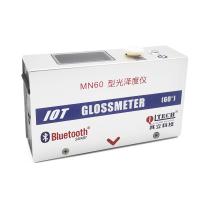
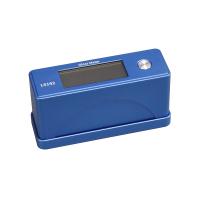
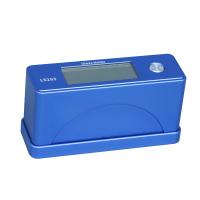
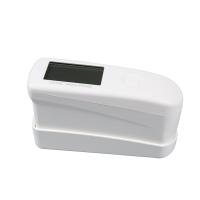
Gloss meter can be used to measure the gloss of the material surface in the gloss detection of decoration materials (such as floors, wallpapers, curtains, etc.), so as to evaluate its aesthetics and quality.

The glossiness of decorative materials is an important indicator for evaluating the intensity of light reflected from the surface of the material. By measuring the gloss of upholstery materials, it can help manufacturers and designers understand the appearance and texture of materials.
High-gloss upholstery materials often enhance the visual impact and appeal of interior decoration, making interior spaces more bright, luxurious and upscale. Therefore, many high-end interior decorations, such as hotels, conference halls, exhibition halls, etc., need to have a high gloss.
In addition, measuring the gloss of upholstery materials can also be used to control the production process of materials. Manufacturers can adjust the formulation and process of the material based on the measurement results to ensure that the gloss of the material meets the expected requirements.
The following are the application and measurement steps of the gloss meter in the gloss detection of decorative materials:
application
Floor: The gloss meter can be used to measure the gloss of the floor surface to determine its gloss level and surface quality, which is helpful for selecting and purchasing suitable floor materials.
Wallpaper: The gloss meter can be used to measure the gloss of the wallpaper surface to determine the gloss level and surface quality of the surface, which is helpful for selecting and purchasing suitable wallpaper materials.
Curtains: The gloss meter can be used to measure the gloss of the curtain surface to determine the gloss level and surface quality of the surface, which is helpful for selecting and purchasing suitable curtain materials.
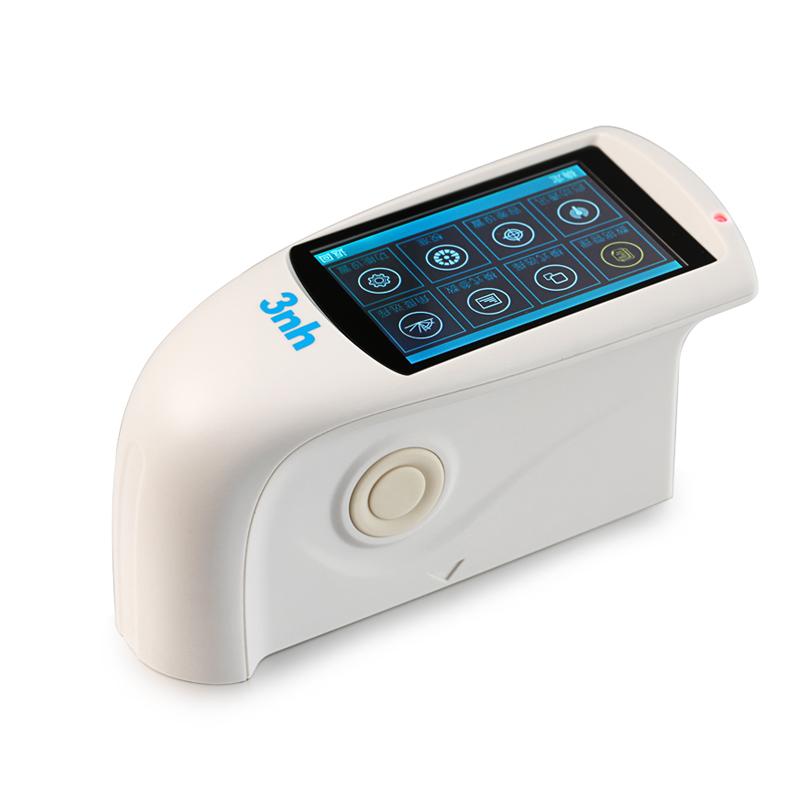
Measurement steps
Preparations: According to the operating instructions of the gloss meter, turn on the equipment and preheat it, adjust the instrument to the required test mode and parameters, and place the test sample on the test bench.
Calibration: For each test sample, calibration of the instrument is required. Place the instrument in the air and calibrate according to the instructions to ensure that the test results are accurate and reliable.
Measurement: Place the test head of the gloss meter on the surface of the test sample, press the test button, and record the test value after the test result is stable. For each test sample, multiple tests can be performed and the average value recorded to improve the accuracy of the test.
Analysis: According to the test results, evaluate the surface gloss of the test sample, and determine its gloss level and surface quality. Test results can be compared to standard gloss grades to assess the aesthetics and quality of the sample.
Record and report: record the test results and generate corresponding test reports. The test report may include information such as identification of the test sample, test date and time, test results, etc.
To sum up, measuring the gloss of decoration materials is an important method to evaluate the appearance and texture of materials, which can help manufacturers and designers choose appropriate materials to ensure better gloss and visual effects of interior decoration.