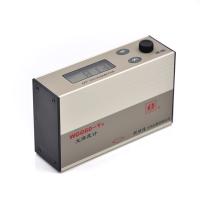
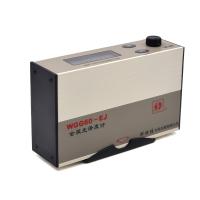
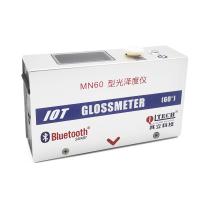
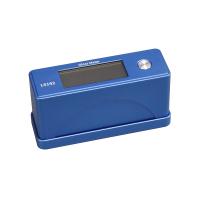
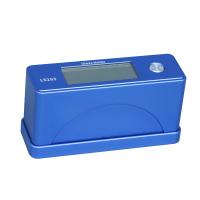
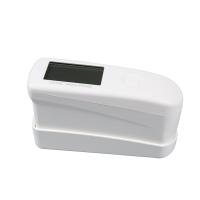
Plastic jars are a common packaging material, usually used to hold food, medicine, cosmetics and other items. The glossiness of a plastic tank refers to its surface's ability to reflect light, which can be measured by a gloss meter. The main purpose of measuring gloss is to evaluate the appearance quality and suitability of plastic cans, so as to ensure that they meet relevant standards and requirements. High-gloss plastic tanks can enhance their visual impact and aesthetics, and reflect their surface smoothness and flatness. In some applications, such as the packaging of high-end food and cosmetics, the appearance quality is very important, and gloss is one of the important indicators. In addition, in some special applications, such as the packaging of some chemicals, the glossiness of the surface of the plastic tank will also affect its use effect and safety. Therefore, measuring the glossiness of plastic jars can help evaluate their quality and applicability, and ensure that their use effects in different fields meet the requirements.
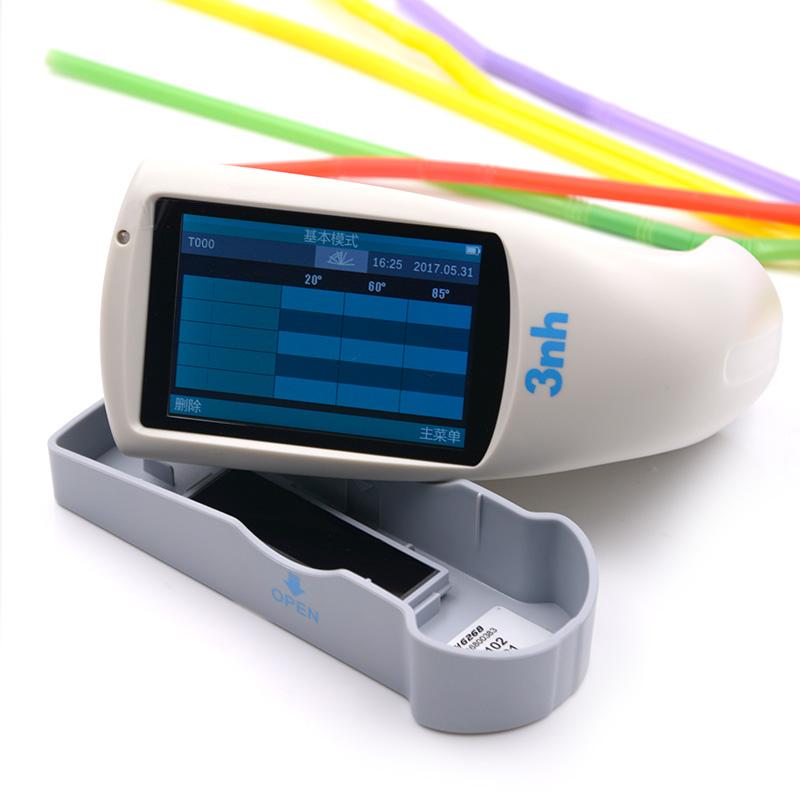
The gloss meter plays an important role in the gloss detection of plastic jars. The gloss meter can quickly and accurately measure the gloss of the outer surface of plastic jars to ensure the quality of the product.
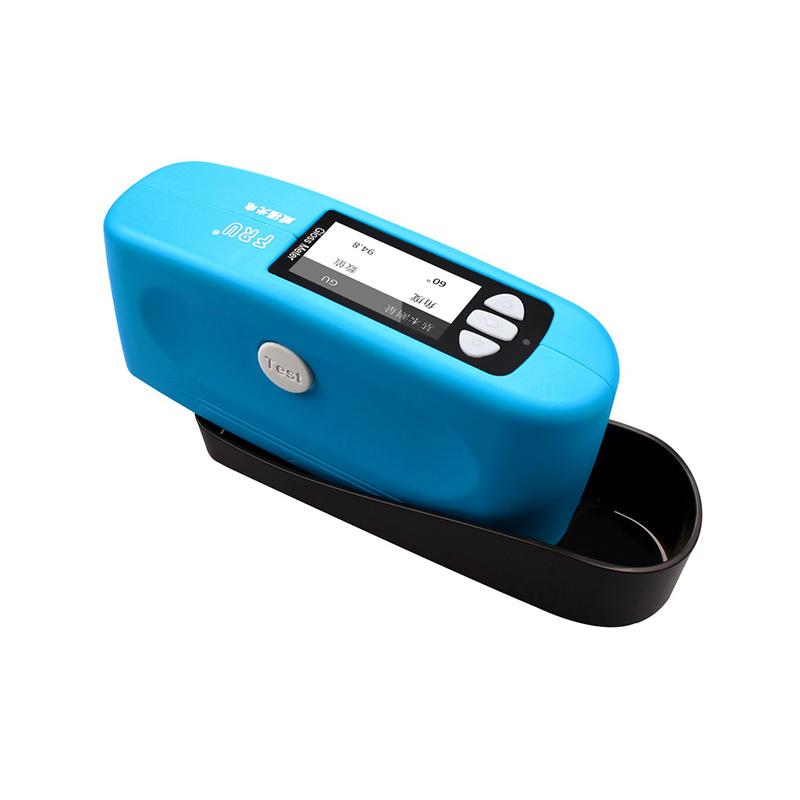
Detection method
The measurement steps are as follows:
Preparations: Clean and dry the plastic tank to be tested to avoid residual water droplets affecting the measurement results.
Start up: press the switch button on the gloss meter, turn on the gloss meter, and preheat it. It usually takes a few minutes to warm up.
Calibration: Place the gloss meter on the standard plate, press the calibration button to calibrate.
Measurement: Point the gloss meter at the part to be tested, make the instrument sensor close to the surface, press the measurement button to measure, and the measurement result will be displayed on the instrument screen.
Record data: Record measurement results and analyze and compare them.
North and South Tide reminds you: During the measurement process, you should avoid the influence of interfering factors, such as light, dust, etc. In addition, the precision and accuracy of measuring instruments should be guaranteed, and regular calibration and maintenance should be carried out