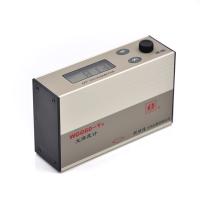
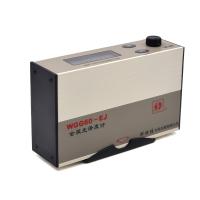
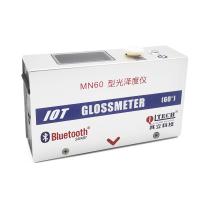
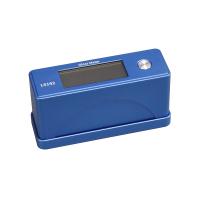
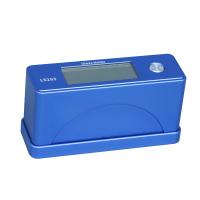
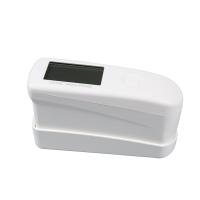
Painted parts refer to painted parts that have been baked at high temperature, and are often used in automobiles, electrical appliances, machinery and other industries. Measuring the gloss of painted parts can evaluate its surface smoothness, uniformity and color to ensure that its appearance quality meets the relevant requirements. High-gloss lacquered parts can enhance their visual effect and aesthetics, and reflect their surface flatness and reflective properties. In some special applications, such as high-end automobiles, electrical casings, etc., the appearance quality of painted parts is very important, and gloss is one of the important indicators. Therefore, measuring the gloss of painted parts can help evaluate its quality and applicability, and ensure that its use effect in different fields meets the requirements.
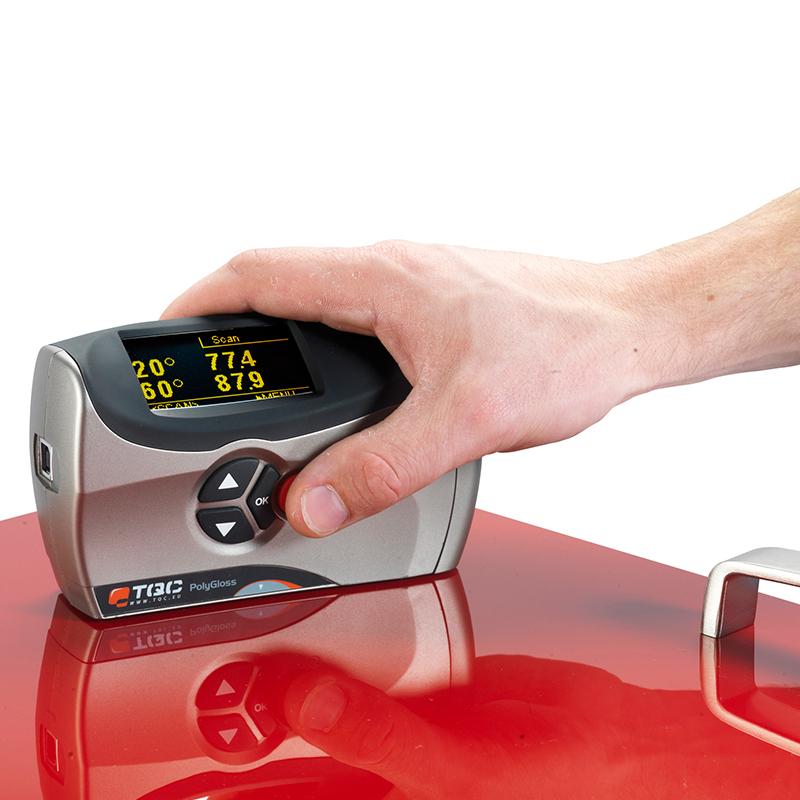
Gloss is the ability of a surface to reflect light, and the gloss of a painted part is an important indicator of surface quality. The gloss meter can measure the glossiness of the surface of the painted parts and provide an effective means for the quality control of the painted parts.
Detection method
The following are the measurement steps of the gloss meter in the gloss detection of painted parts:
Instrument preparation: turn on the power of the gloss meter, and adjust the instrument settings according to the instrument instructions, such as selecting the test mode, test range, test angle and other parameters.
Sample preparation: clean and polish the paint sample to be tested to make the surface clean, smooth and flat.
Measurement operation: Gently press the gloss meter probe on the sample surface, press the measurement button to start the test. During the test, keep the instrument and the sample surface vertical to avoid deviation and shaking.
Measurement results: After the test is completed, the instrument will automatically display the gloss value of the sample surface. Record the test results for analysis and comparison.
North and South Tide remind you: the glossiness of painted parts may be affected by environmental factors, such as light, temperature, humidity, etc. Therefore, it should be ensured that the test environment is stable before measurement, and multiple tests should be performed to obtain more accurate results. In addition, different types of painted parts may require measurement modes with different angles, which should be adjusted according to specific conditions.