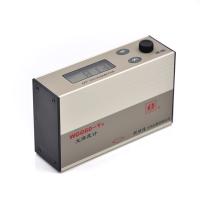
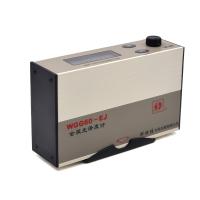
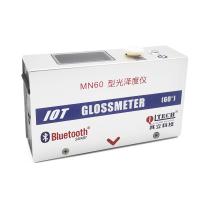
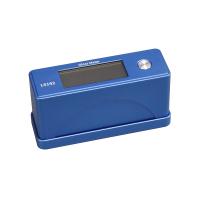
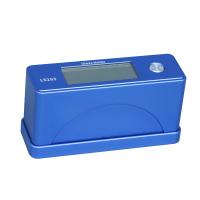
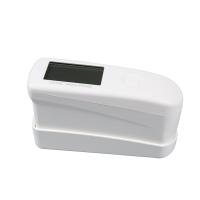
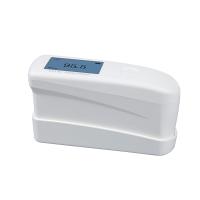
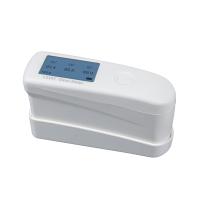
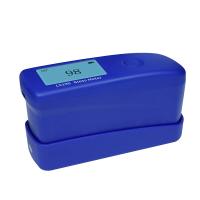
The glossiness of textiles after printing and dyeing refers to the reflective ability of the textile surface and is an important indicator to measure its appearance quality and aesthetics. Measuring the gloss of textiles can evaluate its surface smoothness and reflective ability, understand the influence of printing and dyeing processes and materials on gloss, and ensure that the quality of textiles meets the requirements of standards. Gloss measurement can be performed using a gloss meter, an instrument that measures the amount and angle of light reflected from a textile surface and generates a corresponding value. In the textile printing and dyeing industry, measuring gloss is a common method to determine the printing and dyeing effect and product quality, especially in the production and inspection of high-quality textiles, such as high-end clothing, home textiles, etc.
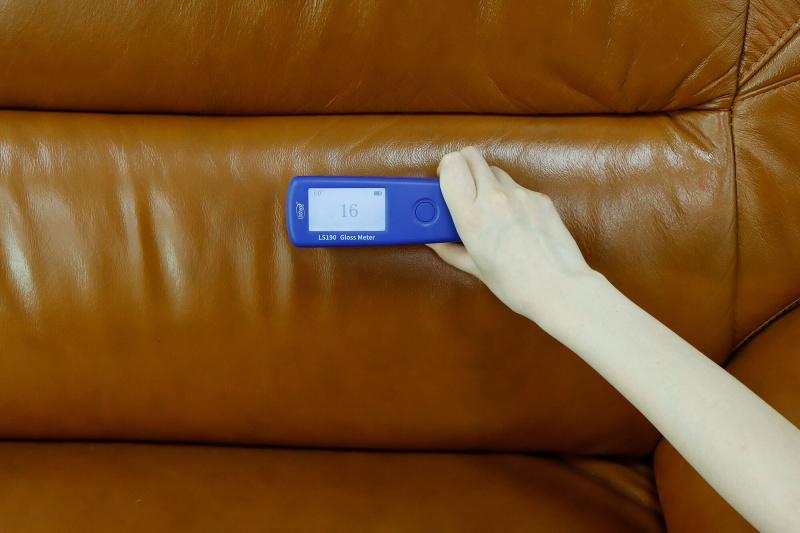
Gloss meter is widely used in gloss test in textile printing and dyeing industry. The following are the application and measurement steps of the gloss meter in the gloss detection of textile printing and dyeing:
application
Detection and control of fabric surface gloss during textile printing and dyeing;
Evaluation and classification of fabric surface gloss during textile quality inspection.
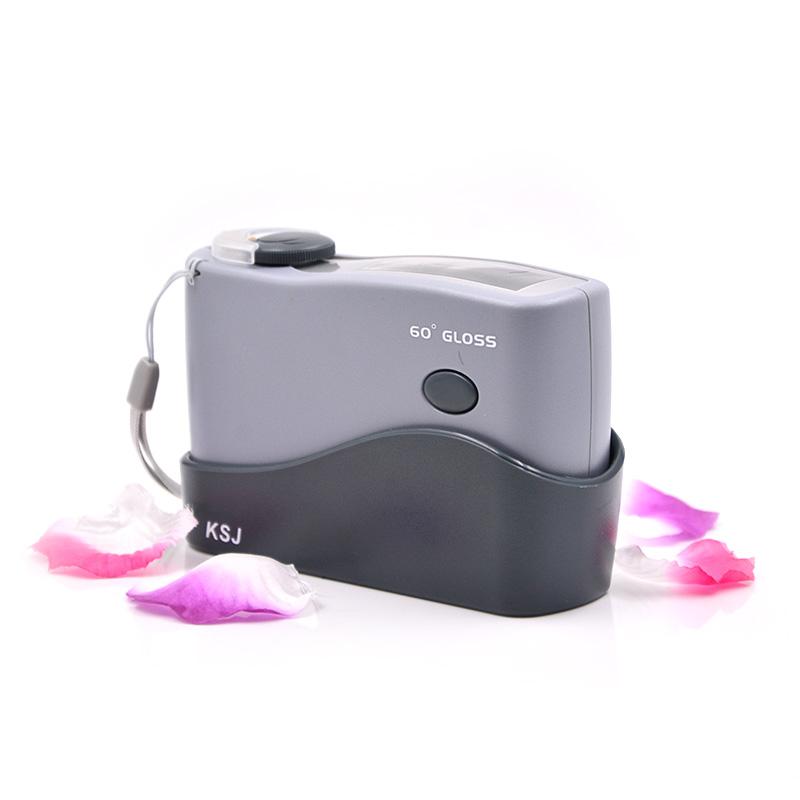
Measurement steps
Preparation: spread the fabric to be tested on a flat table, avoiding factors such as wrinkles and stains that may affect the test results;
Adjustment instrument: adjust according to the instruction manual of the gloss meter to ensure that the instrument meets the test requirements. Generally, zero point calibration and reference plate calibration are required;
Measurement: place the test head of the gloss meter on the surface of the fabric, start the instrument to measure. Generally, multiple tests are required to take the average value to avoid errors;
Documentation of results: The measurement results are documented, evaluated and classified according to the relevant standards of the textile industry.
North and South Chao reminds you: the gloss meter needs to avoid the influence of direct sunlight, dust interference and other interference factors during the measurement process to ensure the accuracy of the test results. At the same time, the test range of the gloss meter is limited, and it is generally suitable for the gloss measurement of the flat fabric surface. There may be certain limitations in the gloss measurement of special fabrics such as wool fabrics.