significance
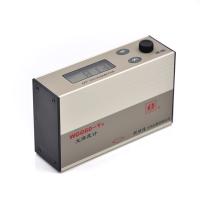
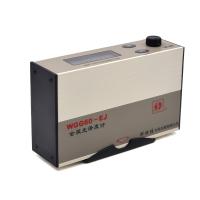
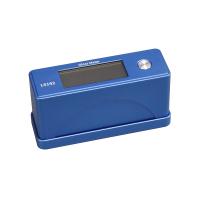
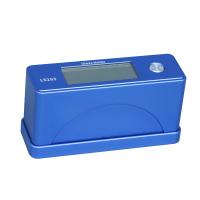
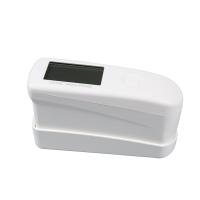
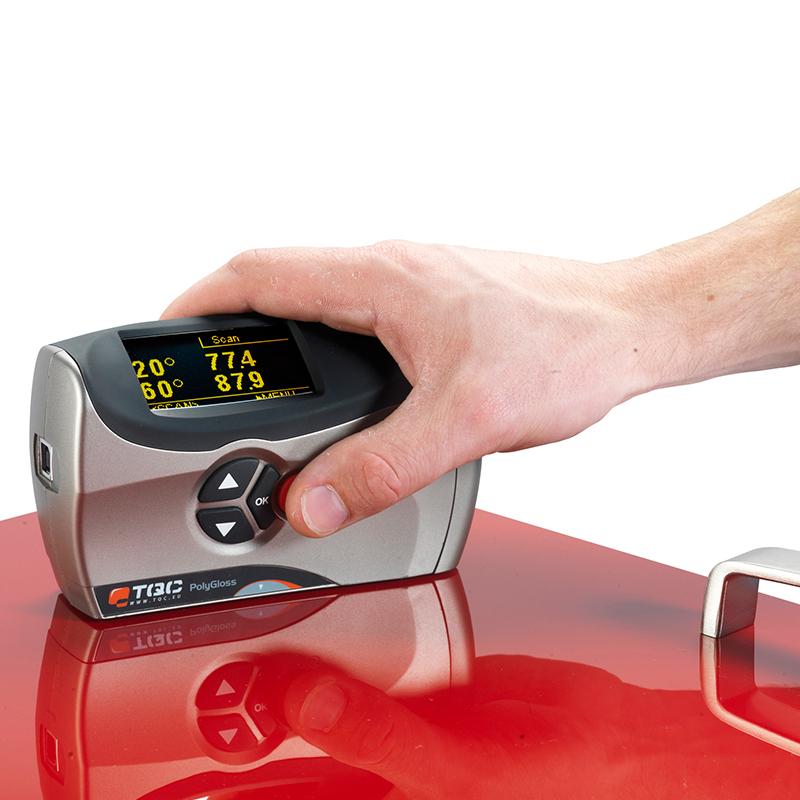
The surface gloss of auto parts refers to the intensity and direction of light reflected from the surface, and is an important indicator to measure the appearance quality of auto parts. Measuring the gloss of auto parts can evaluate its surface flatness, smoothness and reflective ability, understand the influence of manufacturing process and materials on gloss, and ensure the quality of auto parts to meet the standard requirements. Gloss can be measured using a gloss meter, an instrument that measures the amount and angle of light reflected from an object's surface and generates a corresponding value. In the field of automobile manufacturing and repair, measuring gloss is a common method to determine the surface quality and performance of automobile parts, especially in applications that require high-quality surface treatment, such as car paint, car interior parts, etc.
application
Detect and control the surface gloss of auto parts;
Quality inspection and classification of the surface quality of auto parts.
Measurement steps
Place the sample to be tested on a flat test table, and ensure that the surface is clean and free of impurities, so as not to affect the test results;
Adjust according to the instructions of the gloss meter to ensure that the instrument meets the test requirements. Generally, zero point calibration and reference plate calibration are required;
Place the test head of the gloss meter on the surface of the sample, and start the instrument for measurement. Generally, multiple tests are required to take the average value to avoid errors;
The measurement results are recorded, evaluated and classified according to relevant standards. At the same time, test results can also be compared with previous historical data to facilitate tracking changes and improvements in the production process.
There may be some differences in the test results of different auto parts, which need to be evaluated and analyzed according to the actual situation. At the same time, it is also necessary to pay attention to the stability of the test environment to avoid the influence of factors such as temperature and humidity. When testing coated parts, special attention should be paid to the contact area between the test head and the sample to ensure accurate and reliable test results. At the same time, it is also necessary to take into account the influence of different surface qualities on the test results, such as surface bumps, burrs and other factors.