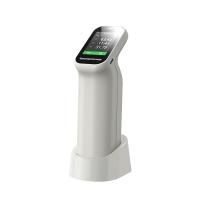
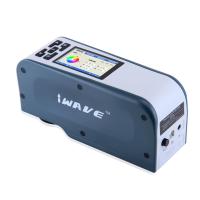
The color difference measurement of paint paint is to ensure the consistency and quality of paint color produced. Since paint paints are sold and used on a paint color basis, any deviation in color can result in poor appearance and inconsistent color. This color deviation can lead to customer complaints, product returns, increased rework costs, and more, negatively impacting a company's image and profits. By measuring the color difference of paint and paint, color deviation can be found and corrected in time, ensuring that the produced products meet consistent color and quality standards, and improving customer satisfaction and market competitiveness.
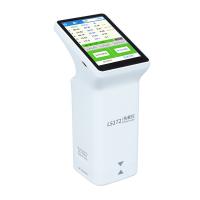
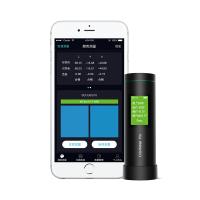
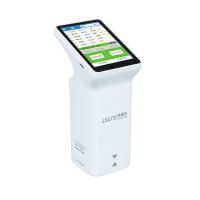
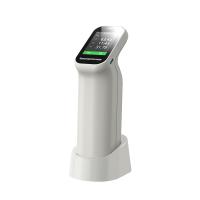
Coatings and paints are materials widely used in architectural decoration, automobiles, electrical appliances and other industries. Their color stability is a very important indicator, and a Colorimeter is required for color difference detection. The color difference meter can quickly and accurately measure the color difference of paint and paint, and judge whether the color of the sample meets the requirements.
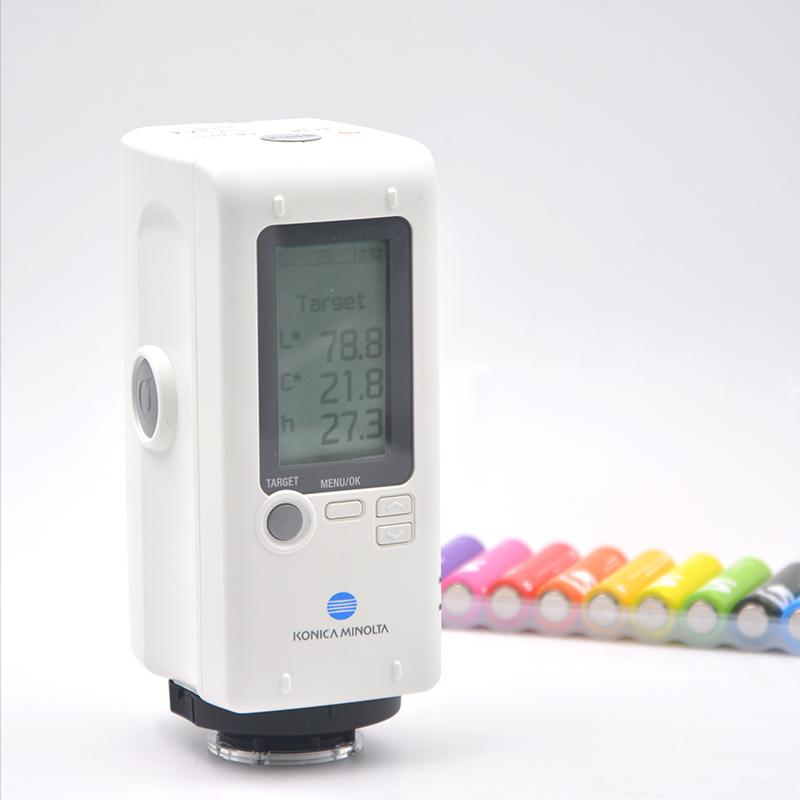
Measurement steps
Calibration of the Colorimeter: Before the measurement, the Colorimeter needs to be calibrated to ensure the accuracy and repeatability of the measurement results. Calibration is divided into two steps of black and white calibration and color calibration.
Sample preparation: Apply the paint to be tested on a flat sample board, and measure after the paint is dry. If multiple measurements are required, ensure that the sample plate position and conditions are the same for each measurement.
Color difference meter settings: Set the color difference meter to the measurement mode suitable for paint and paint, and select the correct light source and observation angle. Typical light sources are D65, A and C light sources, and typical viewing angles are 10 degrees and 45 degrees.
Measurement: Aim the Colorimeter at the sample plate and press the measurement button to measure. Generally, multiple measurements are required, and the average value is taken as the final measurement result. If the measurement results are unstable, the sample can be recoated and measured.
Analysis of the results: compare the measurement results with the standard values, and calculate the parameters such as color difference value and color difference uniformity. If the measurement result deviates greatly from the standard value, adjustment or re-preparation of the sample is required. At the same time, it is necessary to pay attention to the cleaning and maintenance of the sample plate and the Colorimeter, so as to ensure the accuracy of the measurement results.