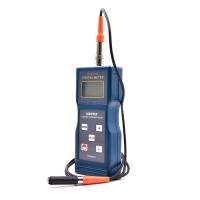
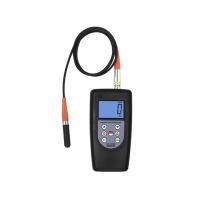
Anti-corrosion varnish is a coating used to protect steel structures and other metal surfaces from damage due to corrosion. The measurement of anti-corrosion paint film thickness is a necessary step to ensure the protection effect, because a coating that is too thin may not provide sufficient protection, while a coating that is too thick will increase material costs and may affect the performance of the coating. Measuring anti-corrosion paint film thickness can also help monitor the durability and wear of the coating so that recoating can be done in time. In addition, measuring the thickness of anti-corrosion paint films can also help to ensure that steel structures and other metal surfaces comply with relevant standards and regulations to ensure safety and reliability. Therefore, for manufacturers, maintenance personnel and quality control personnel, measuring the thickness of anti-corrosion paint film is a necessary step to ensure the protection effect and quality of steel structures and other metal surfaces.
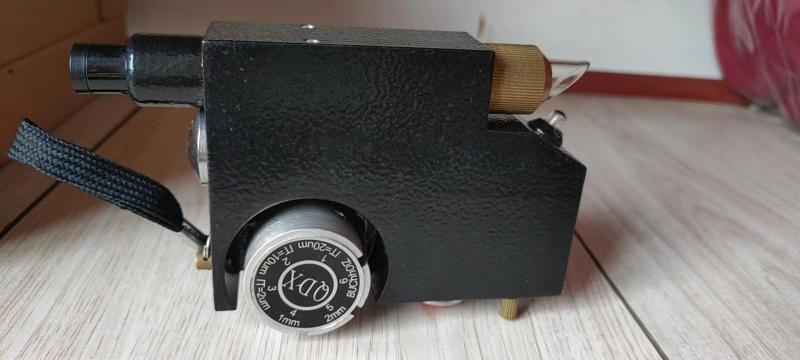
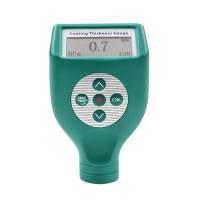
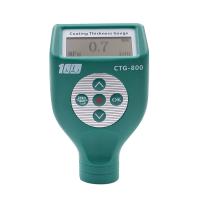
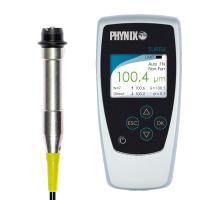
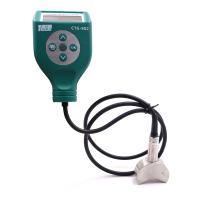
Coating Thickness Gauges are also common applications in the measurement of anti-corrosion paint film thickness. The coating Thickness Gauge can be used to measure the thickness of various coatings, including anti-corrosion coatings, paint films, etc. The following is the application and operation steps of the coating Thickness Gauge in the measurement of the thickness of the anti-corrosion paint film:
Steps:
Turn on the coating Thickness Gauge, and place the measuring probe on the standard plate for calibration to ensure the accuracy of the instrument.
Prepare the surface of the anti-corrosion coating that needs to measure the thickness of the paint film to ensure that the surface is clean, smooth and free of impurities.
Place the measuring probe on the surface of the anti-corrosion coating to be tested, and select a suitable measuring position.
Turn on the coating Thickness Gauge and start measuring, place the probe on the surface of the anti-corrosion coating to be tested and wait for the instrument to read. The readings are usually in millimeters or microns.
Record the thickness of the tested anti-corrosion coating according to the measurement results, and save the results in a suitable record form or data system for subsequent use.
After finishing the measurement, turn off the coating Thickness Gauge and clean the measuring probe for the next use.
Precautions:
Ensure the accuracy of the instrument and calibrate the probe to the standard plate before measurement.
When measuring, make sure that the probe is in close contact with the surface of the measured object to avoid measurement errors.
For different types of coatings, appropriate measurement modes should be selected to ensure accuracy.
During the measurement process, the hand should be kept stable to avoid vibration from interfering with the measurement results.
The probe should be cleaned in time after the measurement to avoid contamination and damage.