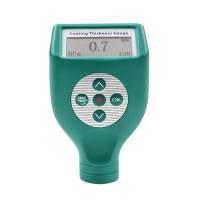
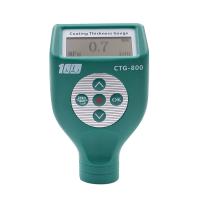
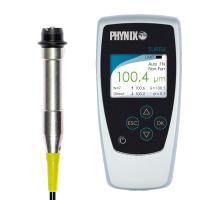
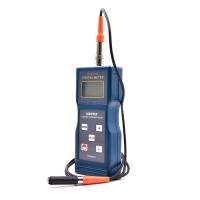
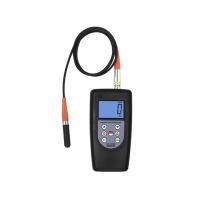
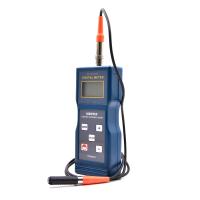
The appearance of car paint is a very important factor in car manufacturing. Measuring the paint film thickness can ensure the uniform appearance of the coating and avoid the situation of uneven coating thickness, so that the surface of the car is more smooth, smooth and beautiful. Automotive exterior coatings need to withstand harsh climatic and environmental conditions, such as extreme heat, extreme cold, ultraviolet rays, salt water, etc. Measuring paint film thickness can help manufacturers understand the durability of coatings and avoid coatings that are too thin and affect their longevity and service life. A film that is too thick or too thin will affect the safety of the car. If the coating is too thick, it will add weight to the vehicle, affecting fuel economy and vehicle performance. If the coating is too thin, the vehicle skin will be easily damaged, which may cause safety problems. Measuring paint film thickness can ensure the uniformity and proper fit of the coating, thus improving the safety of the car.
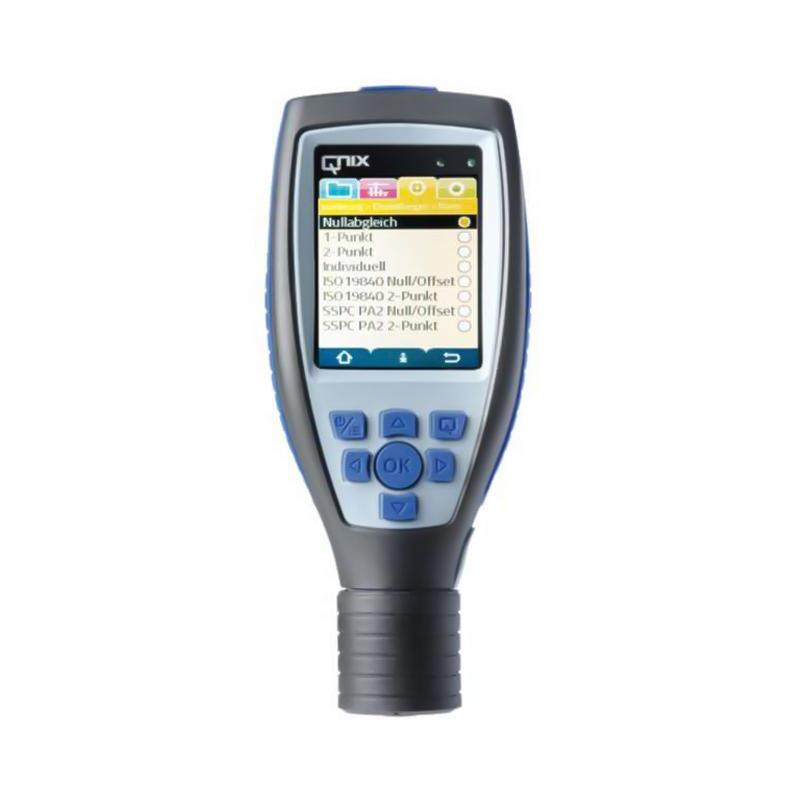
Steps
Prepare the Varnish Meter and Standards: Turn the Varnish Meter on and place it on a stable surface. Next select a standard block that is the same as the coating material to be measured and place it on the measurement panel of the Thickness Gauge.
Calibrate the Thickness Gauge: Before taking measurements, the Thickness Gauge needs to be calibrated. Select the appropriate calibration mode on the paint film meter, put the measuring head close to the surface of the standard block, and press the calibration key to calibrate. Once calibrated, the coating Thickness Gauge can accurately measure coating thickness.
Measuring coating thickness: Gently press the measuring head to the surface of the coating to be tested, keep the measuring head perpendicular to the coating surface, and move slightly until the paint film Thickness Gauge shows a stable thickness reading. Repeat this step several times to get accurate measurements.
Record and analyze data: record the measured thickness readings and perform data analysis. If measurements are found to be inconsistent with coating specifications, steps need to be taken to make adjustments.
Cleaning the Gauge: After using the paint Thickness Gauge , it needs to be cleaned and put back in its protective case. Use a soft cloth or cotton swab to gently wipe the measuring head, making sure not to bend or damage the sensor.