The application of electrophoretic coating on electroplating has two main purposes: one is as a protection of the coating; the other is as a surface decoration (both of which have corrosion resistance).
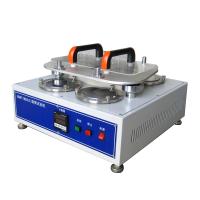
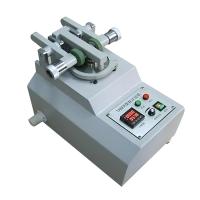
Because the electrophoretic coating film has the characteristics of good transparency, high surface hardness (hardness meter), strong wear resistance (wear-resistant test machine), and good anti-corrosion performance, it is widely used in the protection of electroplating layers (such as thin gold plating, imitation Gold, Antique Copper, Antique Silver, Gunmetal, etc.). Some decorative chrome-plated products (such as bathroom utensils) are also protected by transparent electrophoretic coatings to improve anti-corrosion performance. Electrophoretic coating process for electroplating protection, as shown in the figure.

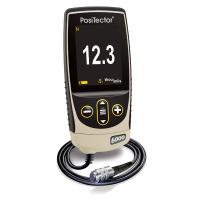
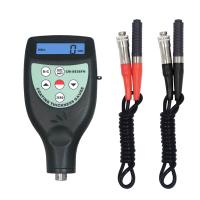
Plating protection generally uses cathodic coatings because it has a wider range of adaptation to electroplating. During electrophoretic painting, the voltage is lower and the time is shorter. The coating film should not be too thick (coating Thickness Gauge), generally about 5 microns. If the coating film is too thick, the metal feeling will decrease, and at the same time, it will amplify some defects (such as pinholes, particles, etc.) on the electroplating layer, making the defects more obvious