Coating layer appearance quality includes:
(1) Surface defects Such as holes, pits, nodules, bubbles, burrs, spots, burnt, shadows, yin and yang sides, and tree-like and spongy deposits on the surface of the coating.
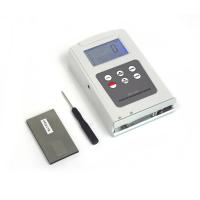
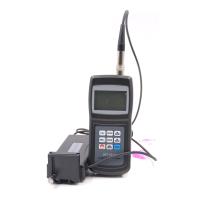
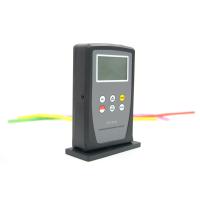
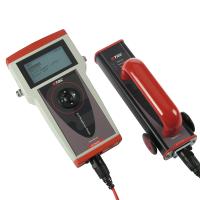
(2) Roughness refers to the smoothness of the surface of the product after coating. During appearance inspection, the roughness should reach or be lower than the specified hardness index.
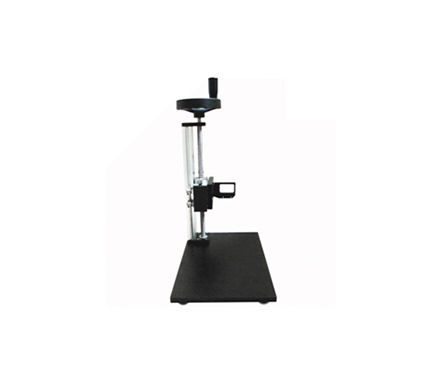
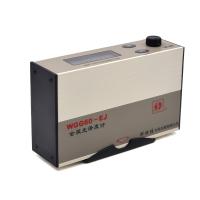
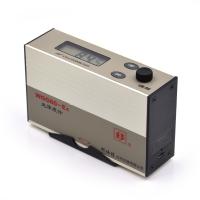
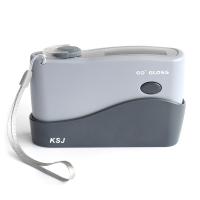
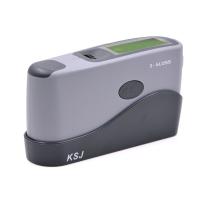
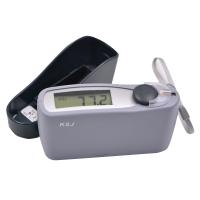
(3) Glossiness The reflectivity of the surface of the product after coating. When inspecting the appearance, its glossy degree meets or exceeds the specified glossiness index. (Related instrument: gloss meter)
(4) Coverage refers to whether the product is completely covered by the coating at the specified degree of coating after the product is coated. (Related instrument: hiding power paper)
(5) Color In addition to the silver-white coating, for all kinds of colored coatings, the degree of appearance inspection should reach the specified color. (Related instrument: Colorimeter)
Sampling during layer removal appearance inspection shall be carried out according to product requirements and inspection standards. Usually, there are several sampling methods as follows:
(1) Products with high appearance requirements, valuable instrument parts, and some legal parts with strict appearance requirements should be inspected piece by piece.
(2) For large quantities of produced crystals that require appearance and composition classification, general inspection should be carried out (that is, 100% for classification inspection).
(3) For products with large batches and less strict appearance requirements, 5% to 10% of each batch of products can be selected for inspection. If any unqualified products are found, double the number of pieces should be taken for re-inspection. If there are a certain number of unqualified ones, the specific situation can be mentioned and the work can be divided into all repairs and rework.
In the visual inspection of the coating, surface defects are generally carried out by visual inspection. Roughness can be tested with a special instrument. Although there are instruments for testing the glossiness, it is widely used due to the influence of the shape of the workpiece and the color of the coating, and the color of the coating. At present, the daily visual method is still the main method. Coating coverage inspection is carried out by chemical method.