background
Electronic products need to undergo high-low temperature resistance tests, mainly to ensure that they can work normally under different environmental conditions, as well as to ensure their quality and reliability. Here are some reasons:
Environmental adaptability: Electronic products need to be able to work normally in different ambient temperatures, such as in the extremely cold arctic region or the scorching desert region. Through the high-low temperature resistance test, the performance of electronic products under extreme temperature conditions can be evaluated.
Safety: Some electronic products, such as batteries and chargers, may burn or explode due to high temperature, posing a threat to personal safety. Through the high-low temperature resistance test, the safety performance of electronic products at extreme temperatures can be evaluated.
Reliability: The high-low temperature resistance test can also evaluate the reliability of electronic products at different temperatures. Under extreme temperature conditions, electronic components, circuit boards, insulating materials, etc. of electronic products may change, resulting in unstable performance or failure of the product. Through the high-low temperature resistance test, the reliability and stability of electronic products under extreme temperature conditions can be evaluated.
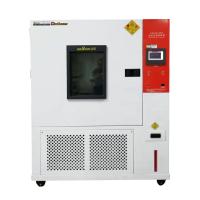
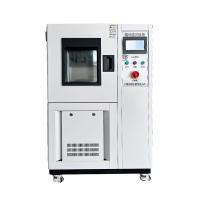
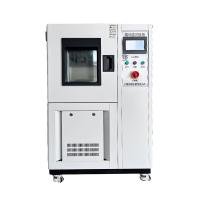
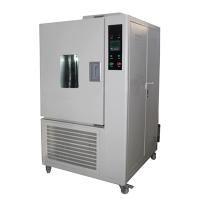
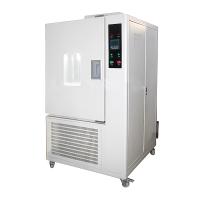
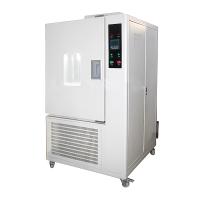
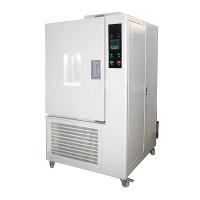
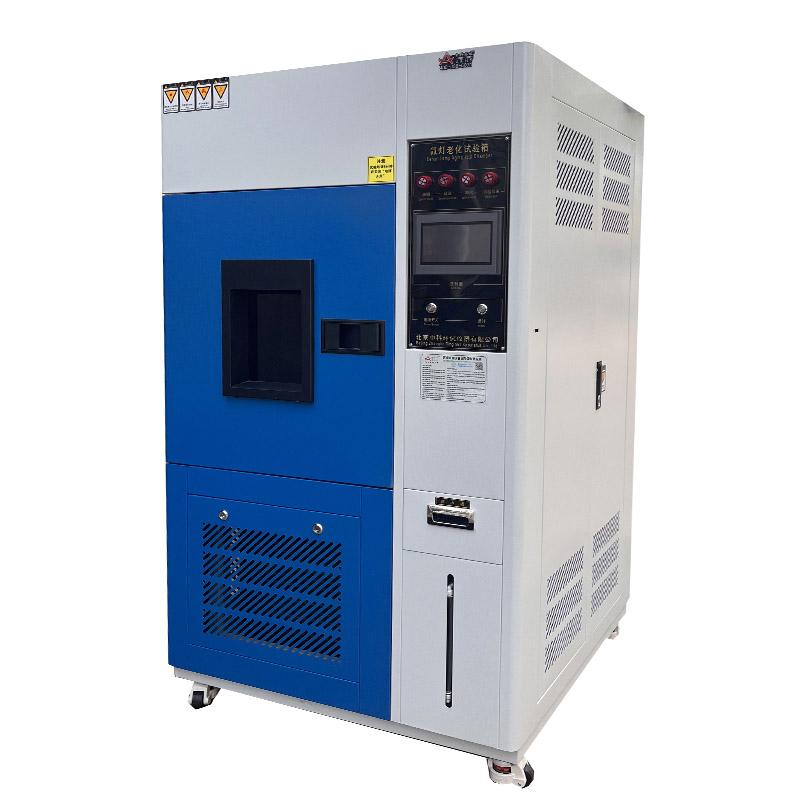
The high-low Temperature Test Chamber is a commonly used electronic high-low temperature resistance test equipment, which is used to simulate extreme ambient temperatures and test the performance and reliability of electronic products at high or low temperatures.
application
High-low Temperature Test Chambers are mainly used in the following areas:
High-low temperature aging test of electronic components, circuit boards, semiconductor devices, electronic cables and other products
High-low temperature cycle test of electronic products
Temperature Shock Test for Electronic Products
Performance testing of electronic products under temperature changes
experiment procedure
Prepare test samples, inspect and record the samples, including the size, appearance, weight, specifications and other information of the samples.
Put the sample into the Test Chamber, and set parameters such as the test temperature range, test time and temperature change rate according to actual needs.
Start the test, wait for the Test Chamber to reach the set temperature, keep it for a period of time, then adjust to another temperature, and repeat.
Observe and check the condition of the sample regularly during the test, and record the change of the sample and the test data.
When the test is completed, take out the sample for inspection and evaluation, including testing and analysis of appearance, performance, etc., to determine whether the sample meets the test requirements and product standards.
NBCHAO reminds you: When conducting high-low temperature tests, you should operate in strict accordance with product standards and test requirements to ensure that the test results are accurate and reliable. At the same time, the use and maintenance of the test box are also very important, and the test box needs to be cleaned and maintained regularly to ensure its normal operation.