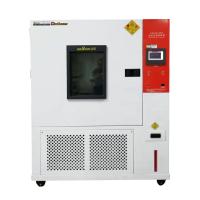
Hardware parts need to undergo high-low temperature resistance tests, mainly to ensure that they can maintain stability and durability under different temperature environments, and can work normally in different application scenarios. The high-low temperature resistance test can evaluate the changes of physical and chemical properties of hardware under extreme temperature conditions, so as to ensure that it can withstand various extreme environments while maintaining the stability and reliability of its functions and performance.
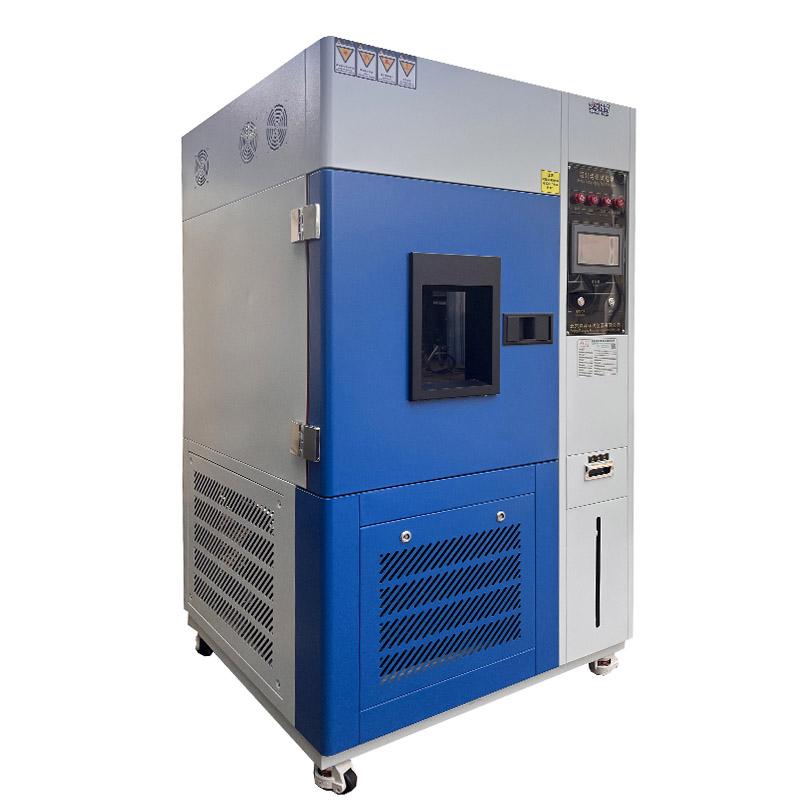
experiment procedure
High-low Temperature Test Chambers are widely used in high-low temperature resistance tests of hardware, electronic components, etc. The following are the general test steps:
Prepare the sample: Leave the hardware to be tested at room temperature for a period of time to allow it to reach a steady state.
Place the sample: place the sample in a high-low Temperature Test Chamber, and determine the test temperature range and holding time according to the test requirements.
Temperature change: Set the high-low Temperature Test Chamber as a temperature change curve, including temperature rise and fall rates and holding time.
Observe the sample: During the test, you can observe the change of the sample through the observation window in the test box, or take out the sample for testing after the heat preservation is over.
Test results: According to the test requirements, the performance of the sample is tested, including appearance, mechanical properties, electrical properties and so on.
Conclusion Judgment: Judge whether the sample is qualified according to the test results, and maintain and maintain the test box.
NBCHAO reminds you: before conducting the test, the high-low Temperature Test Chamber should be fully preheated and tested to ensure the accuracy and reliability of the test. At the same time, attention should also be paid to the placement of samples and the control of the test environment to avoid their impact on test results.