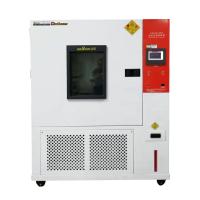
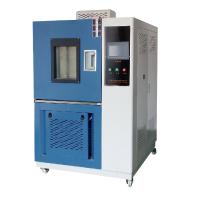
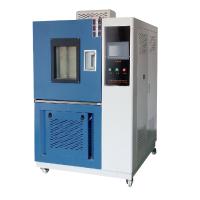
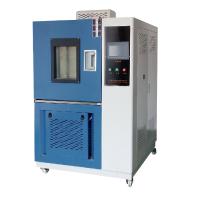
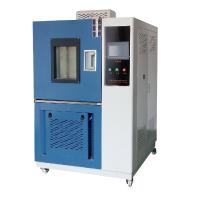
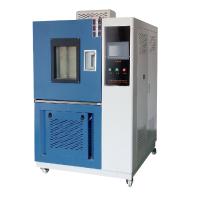
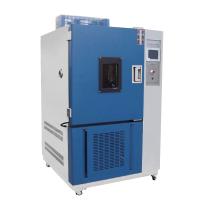
The high-low Temperature Test Chamber is widely used in the high-low temperature cycle test of various materials in the building materials industry. For example, building materials, coatings, sealants, plastics, etc. The high-low temperature tests of building materials are designed to simulate the performance of materials in different environments, such as temperature changes, humidity, ultraviolet radiation, etc. These tests can help evaluate the durability and long-term performance of building materials, thereby determining whether the material is suitable for a specific environment.

application background
Building materials are tested for high-low temperature resistance to ensure their safety and reliability under various environmental conditions. Building materials may have problems such as softening, deformation, and expansion in high-temperature environments, while problems such as brittleness and cracks may occur in low-temperature environments. These problems may lead to structural instability, reduced durability, and increased safety hazards of buildings. Through high-low temperature resistance tests, the performance and stability of building materials in various extreme environments can be evaluated, so as to select more suitable building material types and usage scenarios, while ensuring the safety and reliability of buildings.
experiment procedure
Preparation of samples: according to the relevant standards or specifications, prepare an appropriate number of samples, and carry out necessary pretreatment, such as cleaning, grinding, etc.
Install the sample: fix the sample on the test frame, and ensure that the contact between the sample and the test frame is complete.
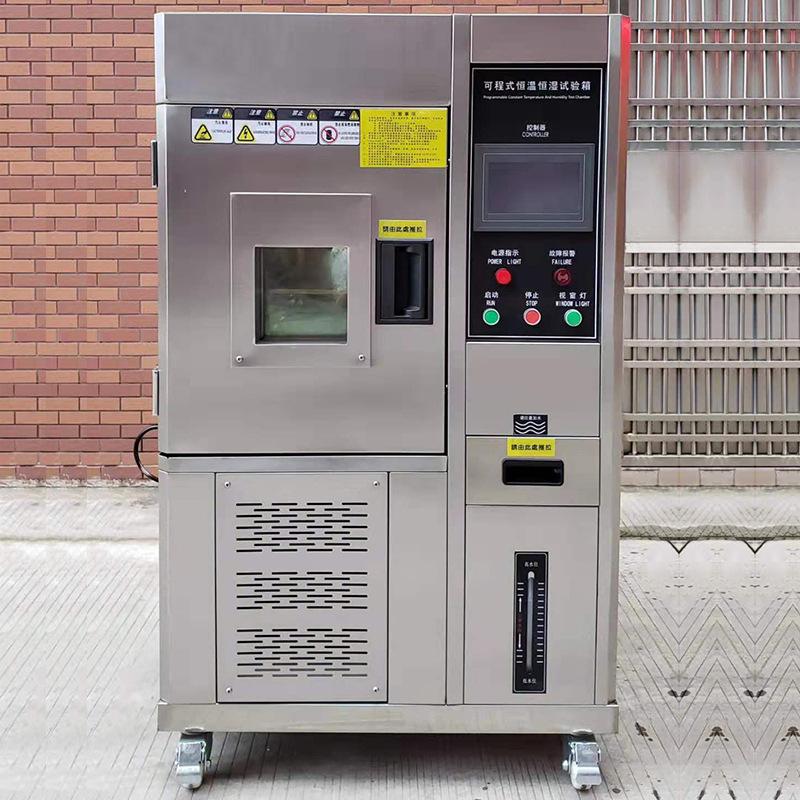
Set the test conditions: Set the temperature and humidity controllers of the Test Chamber to the desired test conditions, such as high temperature, low temperature, high humidity or low humidity.
Start the test: Put the test frame into the high-low Temperature Test Chamber, start the Test Chamber, and start the test.
Monitoring test: During the test, regularly check the condition of the sample, such as discoloration, deformation, etc., and record the corresponding data.
End of test: After the required test period is completed, the Test Chamber and test stand are stopped, and the samples are taken out for evaluation and analysis.
Data analysis: According to the test results, analyze the durability and long-term performance of the material, and evaluate whether it meets the requirements of relevant standards or specifications.