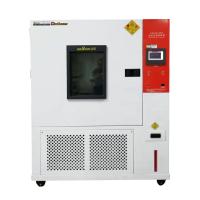
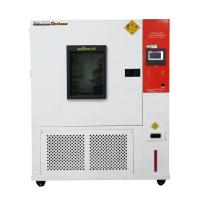
Parts are subject to high-low temperature resistance tests to ensure their performance and reliability in different environments. Components may experience material fatigue, expansion, deformation and other problems in high temperature environments, while problems such as brittleness and cracks may occur in low temperature environments. These problems can lead to reduced performance and shortened life of components, and even affect the performance and safety of the entire system. By conducting high-low temperature resistance tests, the durability and performance of components under different temperature environments can be evaluated, so that suitable component types and usage scenarios can be selected, while ensuring the safety and reliability of the entire system.
test procedure
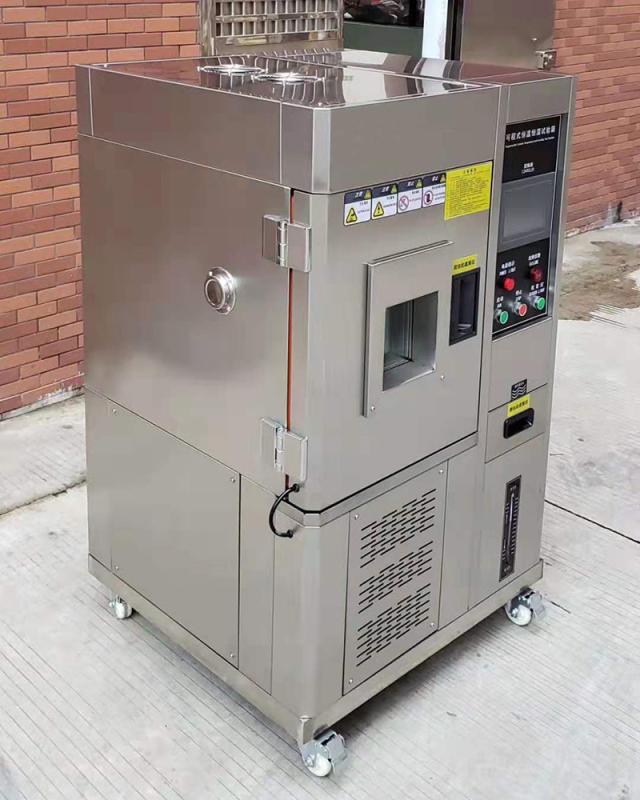
The high-low Temperature Test Chamber plays a very important role in the high-low temperature resistance test of parts, and is mainly used to test the performance of various parts under extreme temperatures. The following are the high-low temperature test steps for some common components:
Electronic components: Put the electronic components in the test box, heat up or cool down according to the specified temperature curve, and perform performance tests after waiting for a certain period of time, such as changes in performance indicators such as resistance and capacitance.
Auto parts: Place the auto parts in the Test Chamber, heat up or cool down according to the specified temperature curve, and wait for a certain period of time to perform performance tests, such as changes in sealing, hardness, tensile strength and other indicators.
Packaging materials : Place the packaging materials in the test box, heat up or cool down according to the specified temperature curve, and perform performance tests after waiting for a certain period of time, such as changes in tensile strength, pressure resistance and other indicators.
Mechanical parts: Place the mechanical parts in the Test Chamber, heat up or cool down according to the specified temperature curve, and perform performance tests after waiting for a certain period of time, such as changes in hardness, toughness, fatigue life and other indicators.
During the test, it is necessary to pay attention to the temperature control accuracy, heating and cooling rate, temperature uniformity and other factors of the Test Chamber, so as not to cause too much interference to the accuracy and reliability of the test results.