Plastic parts need to undergo high-low temperature resistance tests, mainly to evaluate the changes of their physical and chemical properties under different temperature conditions to ensure that they can withstand various environmental conditions while maintaining the stability and reliability of their quality and performance. Through high-low temperature resistance tests, important indicators such as strength, hardness, wear resistance, corrosion resistance and dimensional stability of plastic parts at different temperatures can be evaluated, so as to ensure that they can work normally and have high durability in various environments sex. In addition, plastic parts may expand, soften, and deform at high temperatures, and may become brittle or cracked at low temperatures. Therefore, high-low temperature resistance tests can also evaluate the reliability and reliability of plastic parts under different temperature conditions. safety.
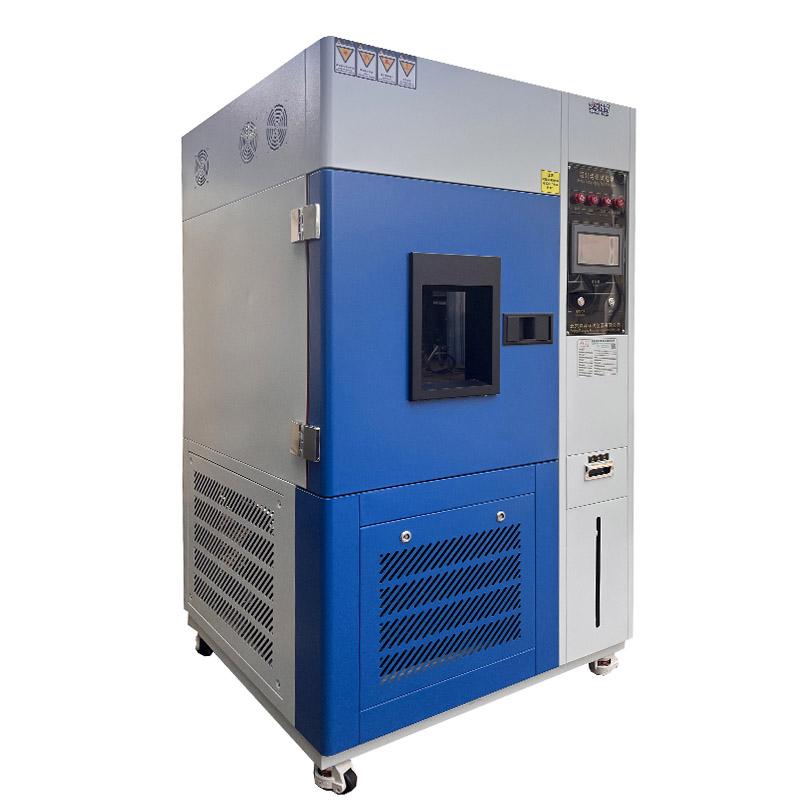
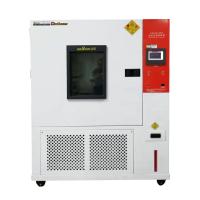
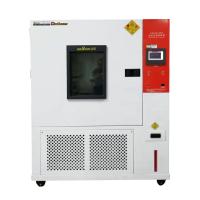
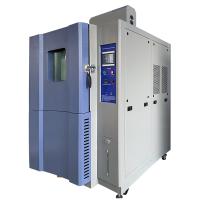
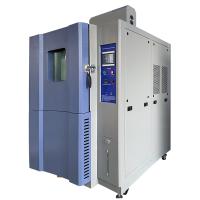
The high-low Temperature Test Chamber can be used to test the resistance of plastic parts in high-low temperature environments. This kind of test can simulate the extreme environment encountered by plastic parts in real applications, such as mechanical stress at extreme temperatures, ultraviolet light and humidity.
experiment procedure
Set the high-low temperature range and holding time of the Test Chamber according to the test requirements.
Prepare plastic part samples and record the initial weight and dimensions of each sample.
Put the sample into the test box, set the high-low temperature of the test box according to the test requirements, and keep it for a certain period of time.
Remove the sample, wait for it to return to room temperature, and record the final weight and dimensions of the sample.
Calculate the weight and dimensional change rate of each sample, and evaluate the high-low temperature resistance performance of the sample according to the test requirements.
Precautions
The number and size of samples shall meet the test requirements.
Before the test, it is necessary to carefully check whether the temperature sensor and equipment of the Test Chamber are operating normally.
After the test, it is necessary to clean the Test Chamber in time to keep it dry and clean.