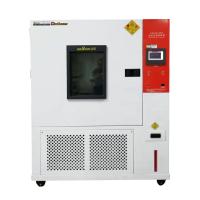
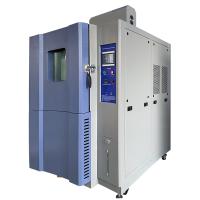
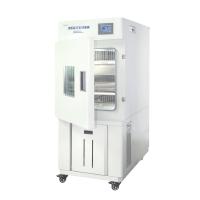
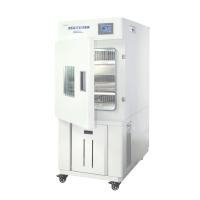
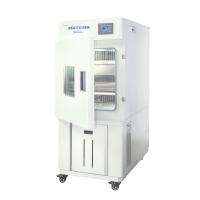
The high-low Temperature Test Chamber can be used in the high-low temperature resistance test of plastic wire to test the thermal stability and mechanical properties of plastic wire to judge whether it can maintain stability in high-low temperature environments.
application
The reason why plastic wire needs to be tested for high-low temperature resistance is because plastic wire may be affected by different temperatures during use and storage. If plastic wire cannot withstand high-low temperature environments, its physical properties will decline, such as strength, hardness, Poor toughness, etc., may also lead to problems such as deformation, aging, cracking, and fracture. Through the high-low temperature resistance test, the thermal stability and cold resistance of plastic yarn can be evaluated, its performance at different temperatures can be understood, and a scientific basis can be provided for the selection and use of plastic yarn.
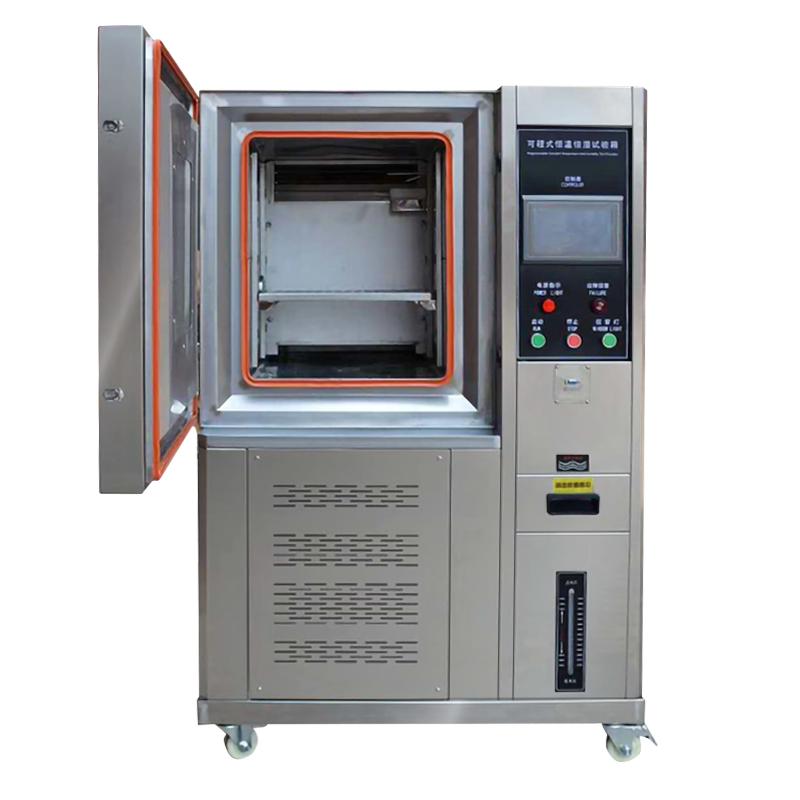
experiment method
The test steps are as follows:
Prepare samples: Prepare the plastic filament samples to be tested according to the requirements.
Install the sample: Fix the sample on the fixture inside the test box, pay attention to the sample is fixed firmly, and avoid moving during the test.
Set the test conditions: According to the test requirements, set the temperature, humidity and other parameters of the high-low Temperature Test Chamber. Operations such as preheating or cooling can be performed as required.
Conduct the test: control the temperature of the Test Chamber to the set high-low temperature values, keep the constant temperature for a certain period of time, then return the temperature to normal temperature, observe the changes of the samples, compare the data before and after the test, and analyze whether the performance of the samples is affected.
Record data: record the changes of the sample in the high-low temperature test, such as appearance, length, diameter, tensile strength, elongation at break and other indicators, for subsequent analysis.
Analysis results: According to the test results, analyze whether the thermal stability and mechanical properties of the samples meet the requirements, and evaluate their applicability and reliability.