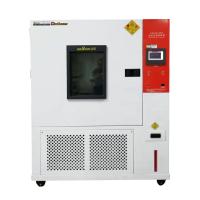
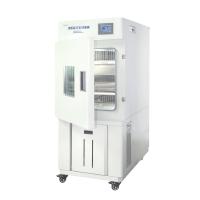
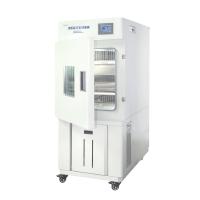
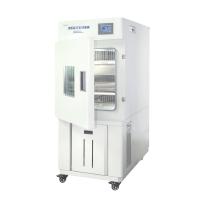
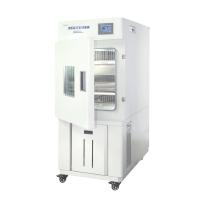
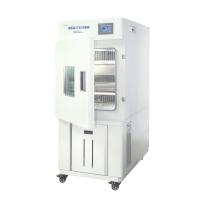
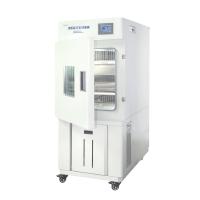
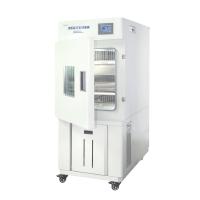
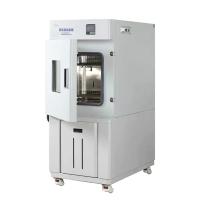
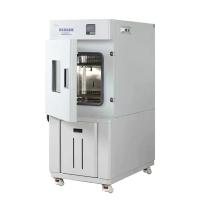
The high-low Temperature Test Chamber plays an important role in the high-low temperature resistance test of textiles. It can simulate the performance changes of textiles under different ambient temperatures, such as fiber shrinkage, deformation, fracture, fading, yellowing, etc.

application background
The reason why textiles need to be tested for high-low temperature resistance is because textiles may be affected by different temperatures during use and storage. If textiles cannot withstand high-low temperature environments, it will lead to quality degradation, poor performance, dimensional changes, and color fading And other issues. Especially at high temperatures, fibers and dyes are prone to change, affecting the quality and appearance of textiles. Through the high-low temperature resistance test, the heat resistance and cold resistance of textiles can be evaluated, its performance at different temperatures can be understood, and a scientific basis can be provided for the quality control and guarantee of textiles.

experiment method
The following are common textile high-low temperature test steps:
Sample preparation: Prepare samples according to specifications, and record basic information such as weight, size, color, and fiber composition of the samples.
Adjust the temperature of the Test Chamber: set the high-low temperature of the Test Chamber according to the test requirements, and stabilize the temperature of the Test Chamber at the set temperature.
Place the sample: place the sample in the high-low Temperature Test Chamber, and select the location of the sample according to the test requirements.
Test process record: monitor the sample in real time, and record various performance changes of the sample, such as shrinkage, fracture, deformation, discoloration, etc.
After the test, take out the sample for inspection: Take out the sample, check the appearance, size, weight and other indicators of the sample according to the test requirements, and record the inspection results.
Through these steps, the performance of textiles in different temperature environments can be evaluated to guide production and quality control.