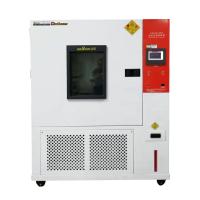
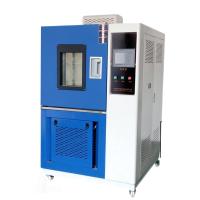
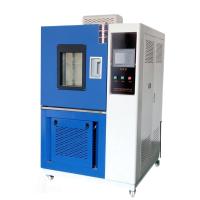
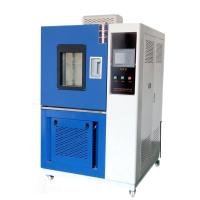
Plastic switches are subjected to high-low temperature resistance tests to evaluate their performance and reliability in different environments. Plastic switches may deform, loosen, melt, etc. in high temperature environments, and may become brittle and easy to break in low temperature environments. These problems may affect the performance and service life of plastic switches, especially in some demanding industries, such as medical, aviation, military, etc. By conducting high-low temperature resistance tests, the performance of plastic switches in different temperature environments can be evaluated, so as to select the appropriate type of plastic switch and usage scenarios, while ensuring its quality and reliability.
experiment method
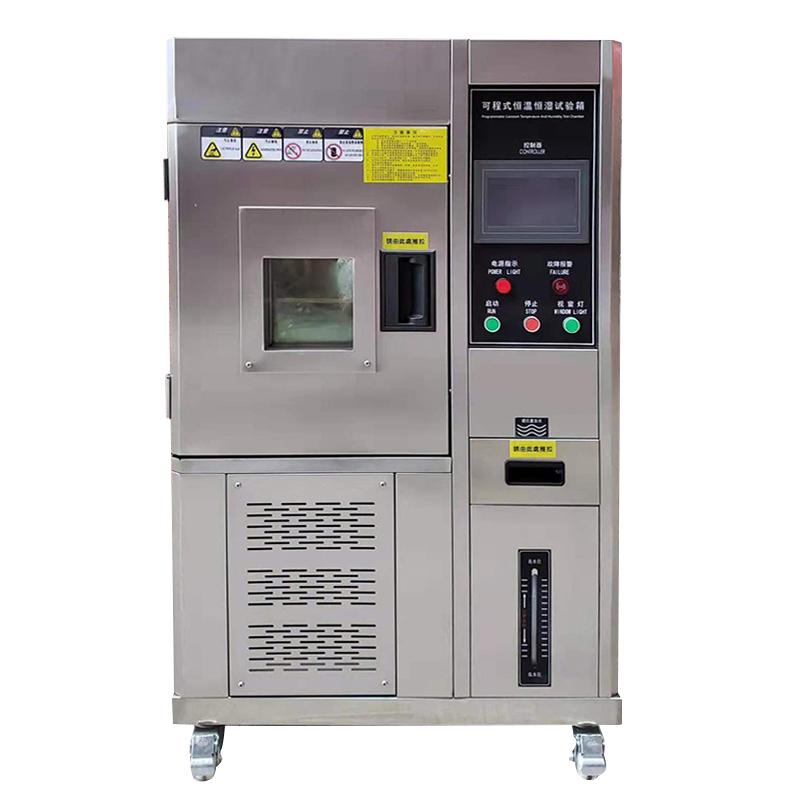
The high-low Temperature Test Chamber is one of the very common applications in the high-low temperature resistance test of plastic switches. The following are the relevant test steps:
Prepare samples: Place the plastic switch samples to be tested in the test box according to a certain quantity and specification, and ensure that the distance between the samples is sufficient to ensure the accuracy of the test results.
Set test conditions: Set test conditions such as high-low temperature values, heating and cooling rates and duration of the Test Chamber according to relevant standards or test requirements.
Start the test: start the Test Chamber and start the test, and carry out the high-low temperature cycle test according to the set conditions, usually in the way of repeated temperature rise and fall, for example: the temperature rises from -40°C to 85°C, and then drops from 85°C to - 40°C, repeat multiple cycles after one cycle is completed.
Observing the test results: By observing whether there are cracks, cracks, deformation, etc. on the surface of the sample, or using relevant testing instruments to test the electrical properties, mechanical properties and other indicators of the sample, the durability and stability of the sample in high-low temperature environments can be evaluated .
End the test: After the test is completed, return the test box to normal temperature, take out the sample for inspection and evaluation, and record the test data and results.
Beichao reminds you: Different plastic switch samples may have different test requirements and standards, so you should carefully read the relevant requirements and standards before testing, and make appropriate adjustments and settings according to the actual situation.