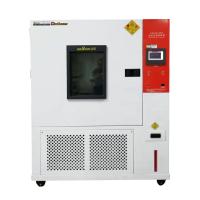
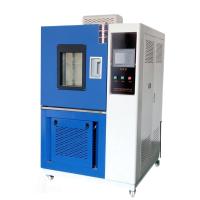
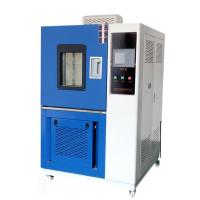
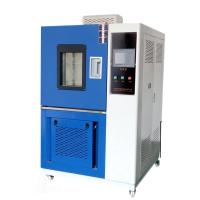
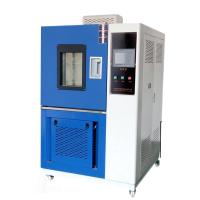
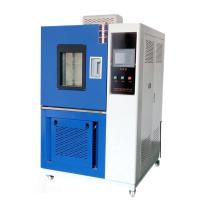
The high-low Temperature Test Chamber is a very common application in the high-low temperature resistance test of artificial leather.

application background
Artificial leather may age, harden, crack, fall off and other problems under different temperature environments, which will affect its appearance, physical properties and service life. Therefore, in order to ensure the quality and reliability of artificial leather, high-low temperature resistance tests are required to determine its performance and reliability in different temperature environments. This can further ensure that the artificial leather can be used normally under various temperature environments, reduce the failure rate, improve its quality and reliability, and at the same time ensure its safety to the human body and the environment.

Detection steps
Here are the test steps:
Prepare samples: select artificial leather samples according to standard regulations or actual needs, and cut them into specified shapes and sizes so that they can be put into the Test Chamber for testing.
Install the sample: Install the sample in the test box to ensure that the sample is completely exposed to the high-low temperature airflow and does not come into contact with other items.
Set test parameters: Set the temperature, humidity and time parameters of the Test Chamber according to the specified standards or actual needs, and confirm that the settings are correct.
Start-up test: start the Test Chamber and start the high-low temperature cycle test. During the test, the Test Chamber will constantly change the temperature and humidity to simulate different climate environments.
Observe the sample: During the test, observe the surface and quality changes of the sample and record them. If necessary, samples can be taken out for testing after each cycle in order to more accurately evaluate its high-low temperature resistance performance.
Stop the test: After the test time reaches the specified time or meets the test requirements, stop the test and take out the sample.
Analysis results: analyze the test results, evaluate the high-low temperature resistance performance of the samples, and determine whether they meet the requirements. If necessary, the test results can be corrected and retested until the requirements are met.