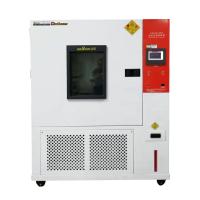
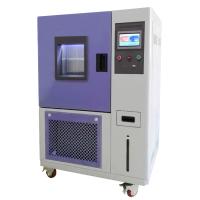
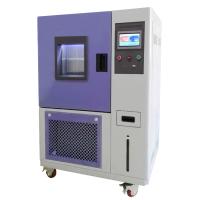
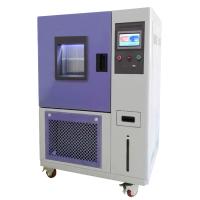
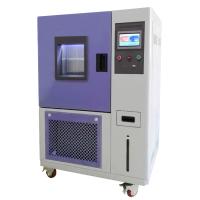
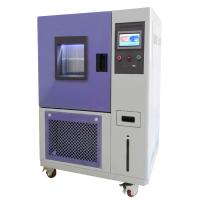
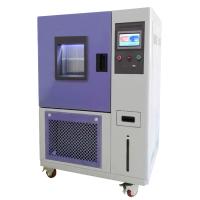
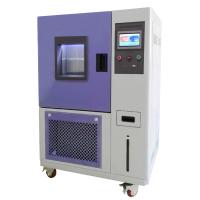
Plastic profiles may be affected by different temperatures in practical applications, such as high temperature, low temperature and other environmental conditions. These environmental conditions will affect the physical properties, chemical properties and morphological stability of plastic profiles. The high-low Temperature Test Chamber can be used to test the durability and stability of plastic profiles in high-low temperature environments.
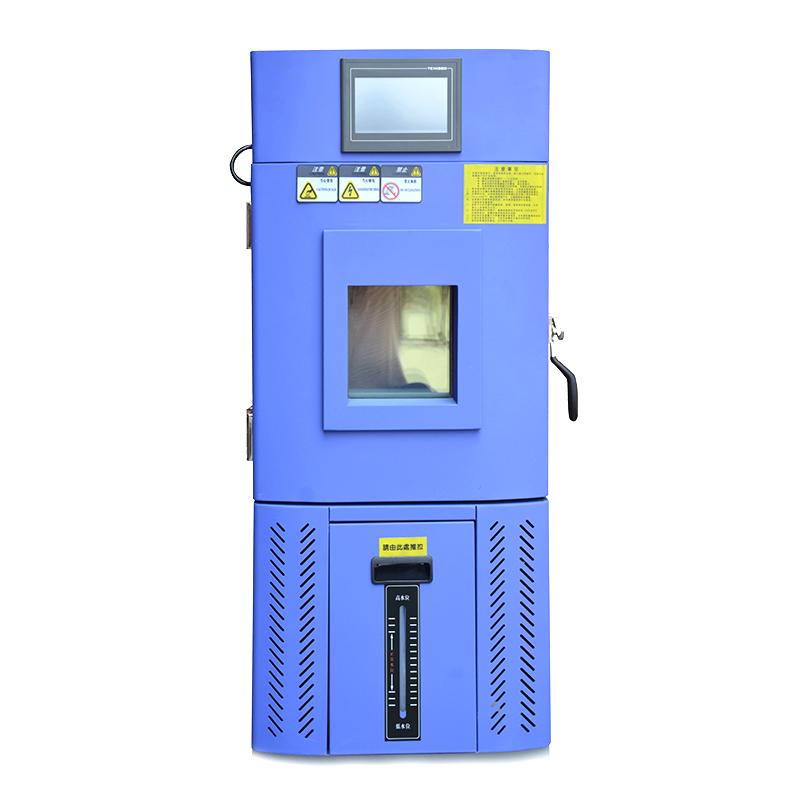
experiment method
1. Cut a sample of appropriate size from the plastic profile and prepare a sufficient number of samples for testing.
2. Put the samples into the test room of the high-low Temperature Test Chamber, and pay attention to keep a certain distance between the samples to allow air circulation.
3. Set the temperature and humidity parameters of the high-low Temperature Test Chamber according to the needs. For example, when conducting a high temperature resistance test, the temperature of the Test Chamber can be set to 60°C or higher for 2 hours or longer.
4. Start the high-low Temperature Test Chamber and let it run until the end of the set test time. During the test, the state of the sample should be regularly checked and relevant data recorded, such as discoloration, cracking, deformation, etc. on the surface of the sample.
5. After the test, analyze the test data and evaluate the durability and stability of the sample. If the sample shows good high-low temperature resistance, it means that the material is suitable for use in application scenarios that need to work in extreme temperature environments. If a sample exhibits poor performance, material selection needs to be reconsidered or the design improved.
NBCHAO reminds you: Before conducting high-low temperature tests, it is necessary to fully preheat or cool down the high-low Temperature Test Chambers, so as not to cause too much interference to the accuracy and reliability of the test results.