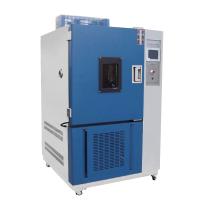
The purpose of high-low temperature resistance tests for cables is to ensure their performance and reliability in different temperature environments. Cables may soften, age, and harden in high-temperature environments, while in low-temperature environments they may become brittle and easy to break, and even cause the electrical insulation layer to rupture, resulting in cable failure. These issues can have an impact on the safety and reliability of the cable. By conducting high-low temperature resistance tests, the durability and performance of cables in different temperature environments can be evaluated, so that suitable cable types and usage scenarios can be selected while ensuring their quality and reliability.
experiment method
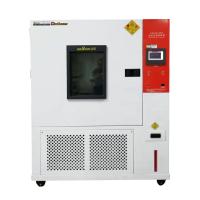
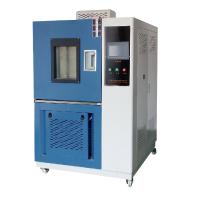
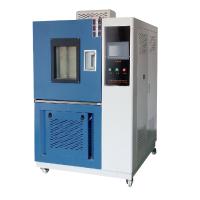
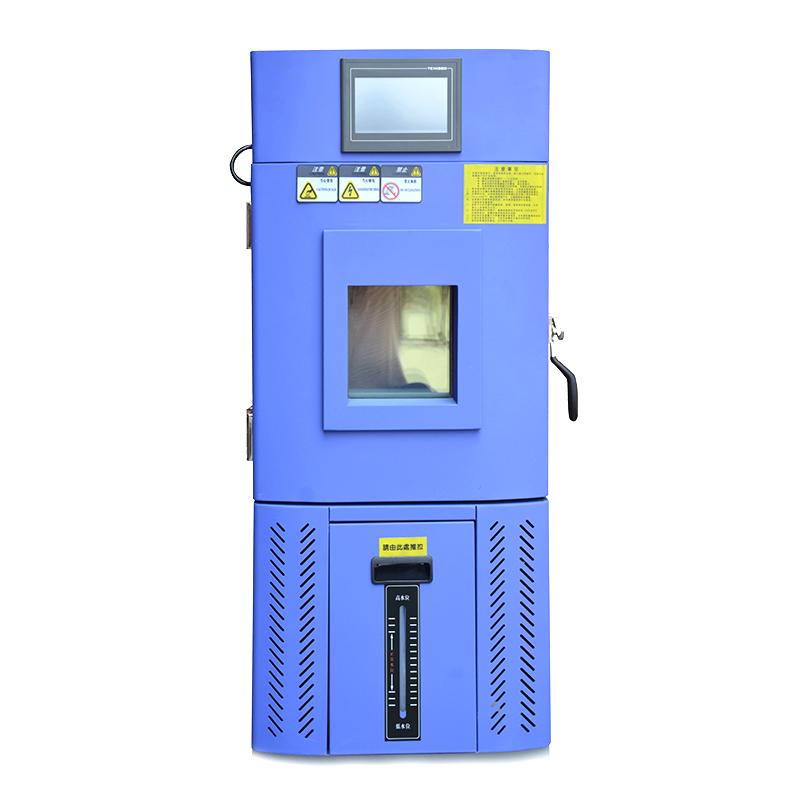
The high-low Temperature Test Chamber has important application value in the high-low temperature resistance test of cables. The general test procedure is as follows:
Prepare the sample: select an appropriate length from the cable sample and remove the sheath to observe the change in the properties of the internal material. Usually, the specimen needs to recover at room temperature for a period of time before testing.
Place the sample: place the sample in the high-low Temperature Test Chamber, pay attention to the placement and quantity of the sample, and avoid the influence between the samples.
Test condition setting: set the test conditions according to the needs, such as temperature range, heating and cooling rate, holding time and other parameters.
Carry out the test: start the high-low Temperature Test Chamber, gradually increase or decrease the temperature to the set temperature range, and keep it for a period of time. Generally speaking, the heating and cooling rates of high-low temperature tests should be as slow as possible to ensure the accuracy of test data.
Observe the sample: After the test, take out the sample for visual inspection and performance testing, such as tensile strength, impact resistance, bursting strength, etc.
Record the results: According to the test data and test results, conduct data analysis and processing, and formulate corresponding improvement measures and preventive measures.
Beichao reminds you: Different types of cables may have different test requirements in high-low temperature tests, so you should understand the characteristics of the materials to be tested and relevant standards before conducting the test. At the same time, safety issues should be paid attention to during the test to avoid accidents.