The rubber hose may encounter different temperature changes during use, such as high temperature, low temperature and other environmental conditions. These environmental conditions may affect the physical properties, chemical properties and durability of the hose.
In order to ensure the performance of the rubber hose under various environmental conditions, high-low temperature resistance tests are required. This kind of test can simulate the high temperature and low temperature in the actual use environment, and detect the performance of the rubber hose under these conditions, such as aging resistance, tensile strength, wear resistance, corrosion resistance, etc., to judge whether it meets the requirements Design requirements to ensure its reliability and stability.
In addition, the high-low temperature resistance test can also evaluate the temperature adaptability range of the hose material, helping manufacturers or users to choose more suitable materials to adapt to different environmental conditions, thereby improving the performance and service life of the product.
experiment procedure
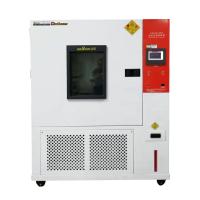
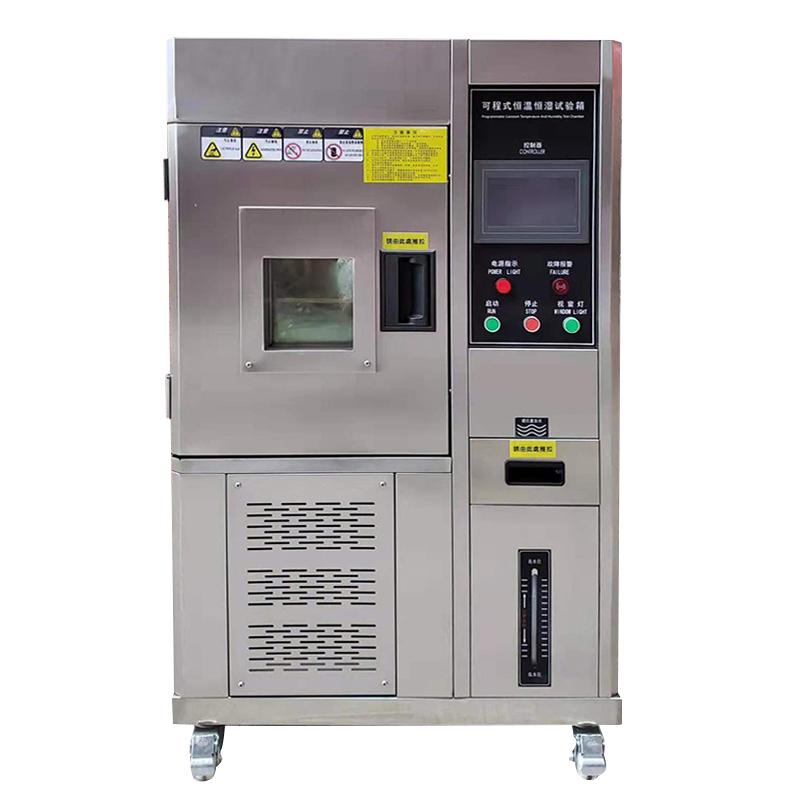
The high-low Temperature Test Chamber is used to test the durability performance of the rubber hose under high temperature and low temperature environment:
Prepare test samples: Randomly take hose samples that meet the specifications from production, and cut them to appropriate lengths as needed.
Place the sample in the high-low Temperature Test Chamber, and set the test temperature range and time.
During the test, observe the change of the sample at regular intervals and record it. In case of cracks, deformation or discoloration, etc., it should be recorded in time and the test should be stopped.
After the test is completed, the sample is taken out for observation and evaluation, and the test results are recorded.
For samples that have not changed, the test can be continued until the end of the specified time.
NBCHAO reminds you: the test conditions of each rubber hose material may be different, and should be adjusted according to the actual situation. At the same time, safe operation rules should be followed to ensure the accuracy and reliability of the test.