As a kind of industrial transmission equipment, the conveyor belt may be subjected to different temperature effects during use, such as high temperature, low temperature and other environmental conditions. These environmental conditions will affect the physical properties, chemical properties and durability of the conveyor belt.

Therefore, in order to ensure the performance of the conveyor belt under different environmental conditions, high-low temperature resistance tests are required. This kind of test can simulate the high temperature and low temperature in the actual use environment, and detect the performance of the conveyor belt under these conditions, such as tensile strength, wear resistance, corrosion resistance, heat resistance, cold resistance, etc. Judging whether it meets the design requirements, so as to ensure its reliability and stability.
In addition, the high-low temperature resistance test can also evaluate the temperature adaptation range of the conveyor belt material, helping manufacturers or users to choose more suitable materials to adapt to different environmental conditions, thereby improving the performance and service life of the product.
experiment procedure
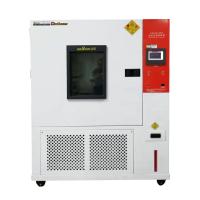
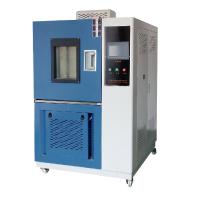
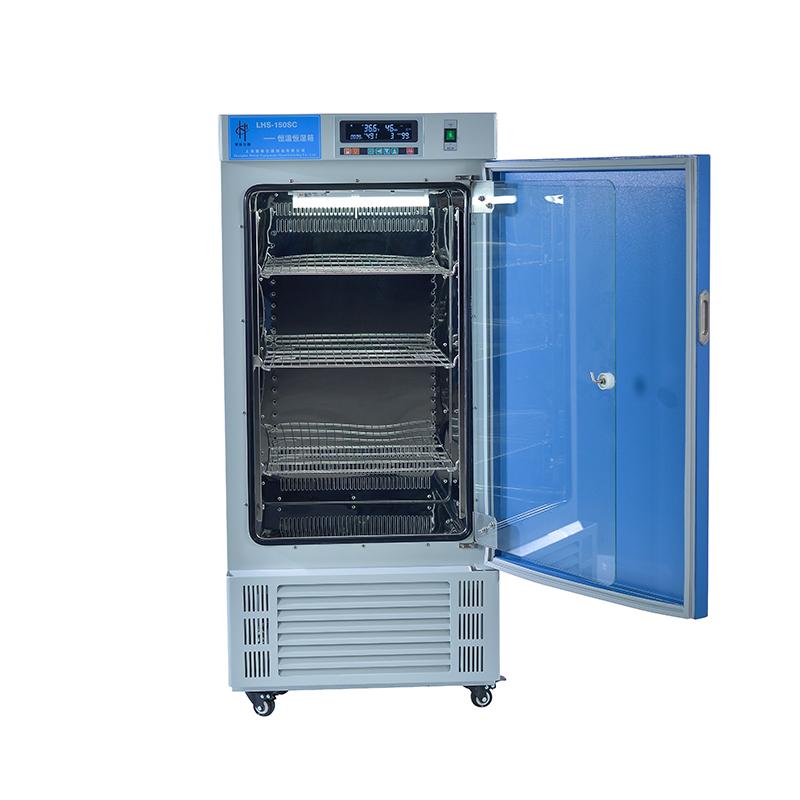
The application of the high-low Temperature Test Chamber in the high-low temperature resistance test of the conveyor belt is mainly used to test the performance and durability of the conveyor belt in the high-low temperature environment. The following are the general test steps:
Sample preparation: According to relevant standards, cut the conveyor belt samples to be tested into standard sizes, such as length and width.
Labeling and Weighing: Label and weigh the sample, recording the weight of the sample.
Heat treatment: put the sample in a high-low Temperature Test Chamber, expose it to a high temperature environment for a period of time, and then put it in a low temperature environment for a period of time.
Cycle test: put the sample into a high-low Temperature Test Chamber for cycle test, that is, in a high temperature environment for a period of time, and then in a low temperature environment for a period of time, and continue to cycle.
Observation and recording: Observe whether there is any change on the surface of the sample during the test, such as cracks, deformation, shedding, etc., and record the parameters such as the appearance and weight of the sample at the same time.
Evaluation and analysis: According to the test results and sample performance, conduct evaluation and analysis to judge the performance and durability of the sample.
Conclusion and report: According to the test results and evaluation analysis, draw a conclusion and write a test report, explaining the performance and durability of the sample in high-low temperature environments.